
 Darkening the Italian Screen
Published by McFarland, 2019. 334 pages
By Eugenio Ercolani
As fans of Italian genre films, we all know the names of Argento, Bava, Soavi, and (hopefully) Freda. But there were so many that worked in the industry in the ’60s through the ’80s, that so many get lost in the shuffle. Maybe we’ve heard of them, or maybe we know a movie or two they did, but that’s it. That is what I love about this book, that it brings light to more than a few people that had connections to some of the films we love, but maybe didn’t know as much about them.
Going through the list of names interviewed in this book, there were a few that I was familiar with, such as Umberto Lenzi, Ruggero Deodato, Enzo G. Castellari, and Sergio Martino. But even with these guys, there were plenty of interesting and sometimes downright amazing stories to be learned within these pages, especially when we learn about their beginnings in the industry. Other names like Alberto De Martino or Mario Caiano, I was somewhat familiar with, but not a lot. Then there were names that I wasn’t as familiar with at all, such as Giulio Petroni or Franco Rossetti. But the great thing about if you’ve been a fan of the Italian film genre for any length of time, you will have at least heard of the films they are talking about, if you haven’t seen them already.
While the people interviewed were mainly directors, we do get to hear from some others, such as actors George Hilton and Givovanni Lombardo Radice, or production designer Massimo Antonello Geleng. Here, we get another look and insight into this world of filmmaking. All of it extremely interesting, like looking through a window into different country, as well as into the past.
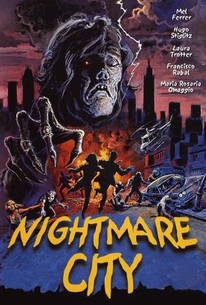 Author Ercolani doesn’t hold back on his questions either, asking both Lenzi, Deodato, and Martino about their work in the cannibal sub-genre and the issues with the animal killings. On this subject, Umberto Lenzi accepting the blame for what they did, still tries to defend it, stating “Still, I have to say that these accusations towards my colleagues and myself are legitimate. But they forget that these things happen in our civilized world, in Rome, in Milan, in Naples. And there’s nothing worse than how animals are butchered.” When the author calls Lenzi’s Nightmare City his “only zombie film”, Lenzi got upset stating “It’s not a zombie film! Those are not zombies! They are contaminated people!”
Each chapter has an intro about the subject before the actual interview starts. Before talking with Ruggero Deodato, the author writes about Deodato that “his cinema is not dripping with blood, it is not populated by ancestral screams, but is animated by human lamentations, by the sadism of humans on other humans.” A lot can be said (and has) about the effects of Cannibal Holocaust, and just what Deodato’s intentions with the movie, either making cheap exploitation or really trying to make a point. But at the end of the day, if a point is being taken by the audience, does it matter what the filmmaker’s intent was? Meaning if it has an effect on a viewer, even if it wasn’t what the director’s intention was, does that make it any less effective? Deodato states that “Cannibal Holocaust is not a horror film, it’s just a depiction of reality. It’s not my fault the world we live in is so violent and dark.” I think a lot of people might turn their noses up to that picture, but no one can argue its impact and the message buried in there.

There is a lot I learned from this book, namely that a lot of these names that are known for their “cheap exploitation” films are actually well trained and very talented in their craft, whether it be actually directing or the many titles some of them worked as Assistant Directors. It really will give you a better insight to these unsung heroes of Italian genre and while it may not make you like their films any better if you’re a not a fan of those types, you should at least come away with a little more respect for them. These were filmmakers, trying to create a product that would sell, not just in their own country, but around the world. All the while fighting the constant labeling on what kind of film they could make, only based on their past film. Sergio Martino said “Labels… easy labels, aimed at belittling the films and the genres we were making.” Some things never change.
This book can be purchased from McFarland, by clicking the link HERE.
 kitleyskrypt.com