
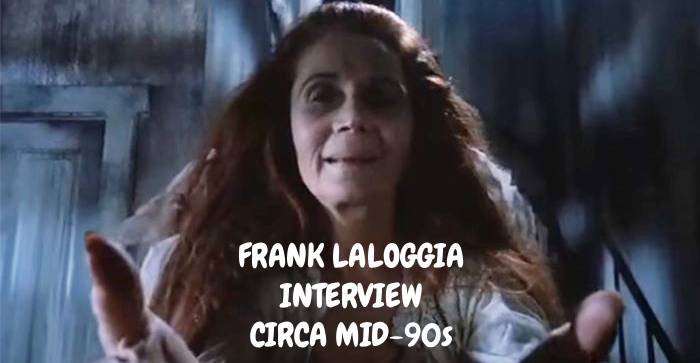
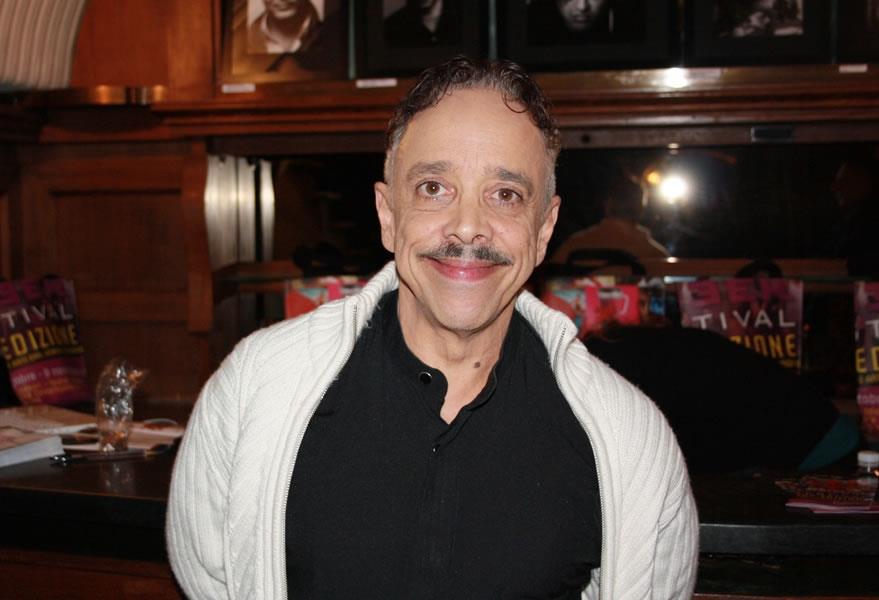
Way back in the mid-90s, I was involved in a sort of fanzine with several of my friends, called Visions of Darkness. Though we tried to get it distributed to a wider audience, this was pre-internet, so it wasn’t as easy as it is nowadays. But during the short of run of this, I somehow got in contact with director Frank LaLoggia, who had directed one of my favorite ghost story films of all time, Lady in White (1988). In fact, at my very first horror convention, in California in 1988, he was there promoting Lady. I still don’t know how I got in touch with him, but he was gracious enough to chat with me on the phone about his films, Fear No Evil (1981), his follow up, the previously mention, Lady, as well as some other topics. For some reason, I never transferred over to my website once I started that in 1998. Maybe because I want to go through and re-type everything in! But now, many decades after it was recorded and released to a very few people, here it is for everyone to read and enjoy, as well as take heed of some horror stories of working in the film industry. Sure, this was from 30+ years ago, but I’m sure those types are still around. Of course, one of the reasons I wanted to get this out to the public is because our latest episode of Discover the Horror is about two of Frank’s films and thought that a lot of what he talked about, will give viewers a little more understanding of why the final product looks like it does, both with Fear and Lady.
So, sit back and enjoy. Might take a bit since it’s a pretty long interview, but there is a lot of great information and insight in here.
Visions Of Darkness: First of all, your newest film that you mentioned in an earlier email to me was it called Mom?
Frank LaLoggia: Mother.
VOD: Is that out on video, because I’m having a hell of a time finding it?
FL: Yeah, it’s on video. It’s Entertainment. (Editor’s Note: Here’s a brief description of the movie that was taken off the internet: Olivia Hendrix (Diane Ladd) is a doting mother. Perhaps too doting. Her son, Tom loves her but yearns to break away. Unfortunately, Mother has other ideas to keep her child from ever leaving home. When neighbors and loved ones start turning up dead, everything comes to a head, and the tragic secret that lies at the heart of Olivia’s obsession is revealed. Does Mother really know best? Mother: She’ll Love You To Death)
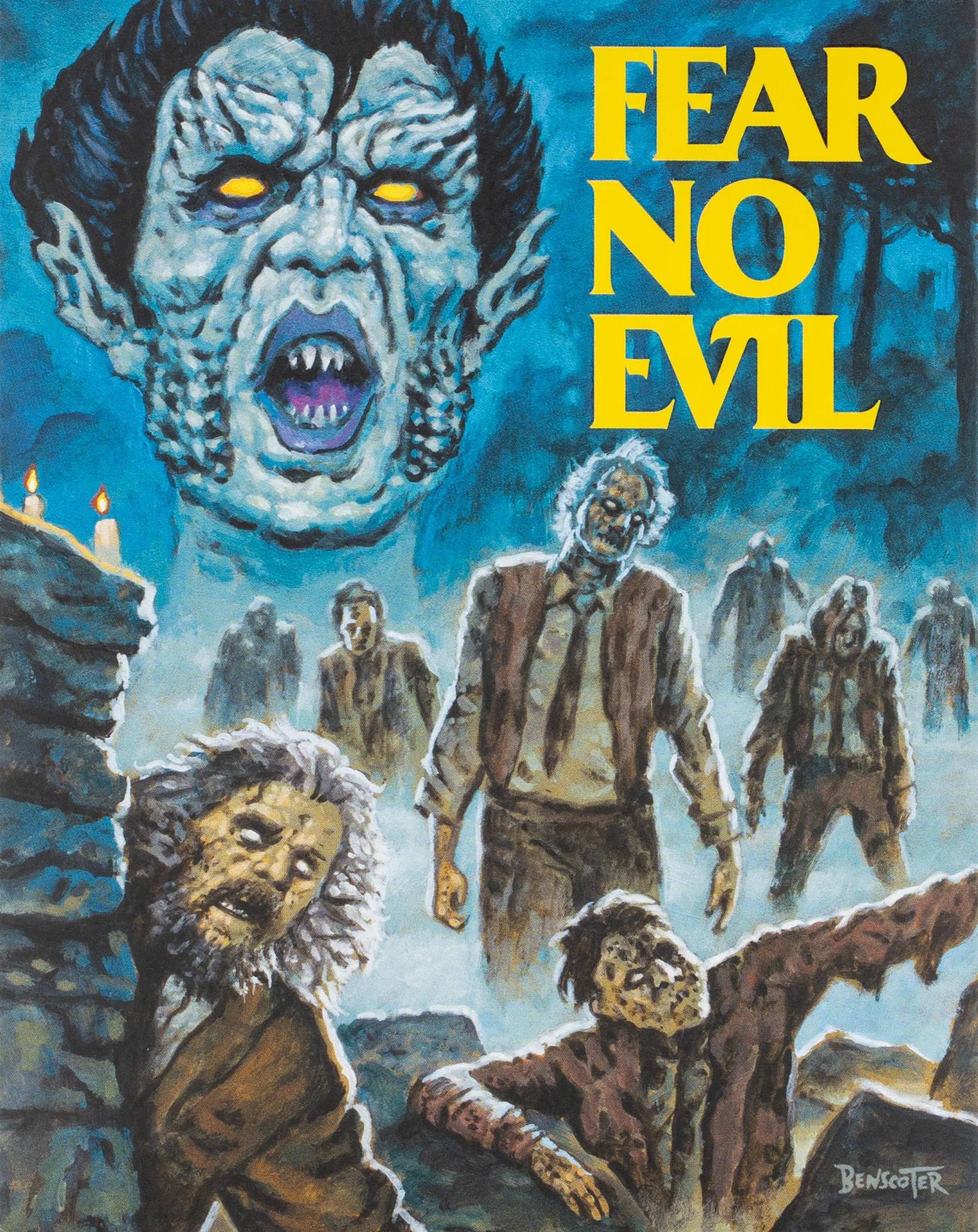
VOD: Okay, as far as Fear No Evil, you made that when you were 23?
FL: Yeah.
VOD: That’s pretty amazing to me, especially when I think of what I was doing at that age!
FL: I was a kid. 23 or 24 years old. My cousin Charles and I raised $400,000. We got the picture into production, and wrapped it at about S440,000. I took it to New York, to cut the picture there. I was living in California at the time, but am originally from New York, from Rochester.
We shot the picture in upstate New York. We needed addition money to finish the picture.
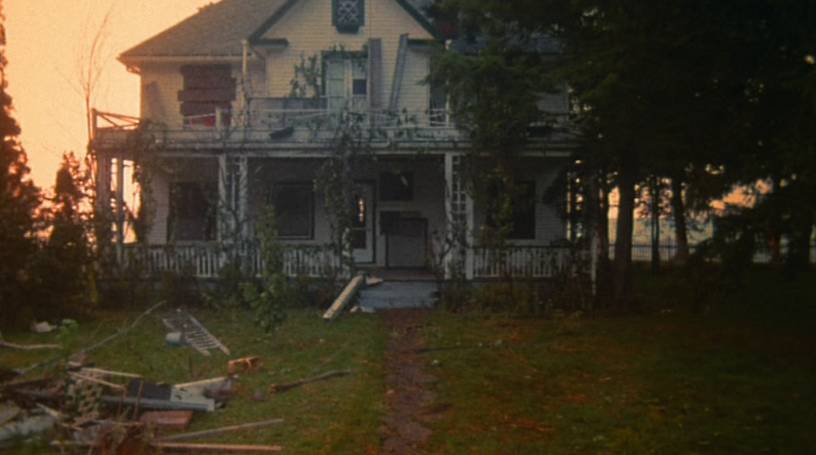
Avco Embassy, much to my dismay, I fought like crazy to try to raise the rest of the money myself before screening the work print, even then I was not secure about the idea of screening the work print for a distributor, but I did, for Avco Embassy, and much to my dismay, they wanted it. My cousin was tired of raising money and he said let’s make a deal and let’s get the rest of the money we need from them. And as a result, they dictated a lot cuts, a lot of rearranging, lot of restructuring. For years, I’ve virtually disinherited the picture. It’s not the picture I made.
VOD: You wrote, directed…
FL: Yeah, wrote it, produced it, directed it, scored it. It really played like a mythological kind of story, even more so than a horror movie. Charlie and I laugh at this now because I fought him dearly to try and dump the ‘dead people’, because I didn’t feel they were integral part of the story. It was driving me crazy to try and figure out how to make them work. But Charlie, primarily involved with the money raising, said, “You know if the dead go, there’s no money for the movie.” Now we laugh at that quite a bit. “No dead, no money.”
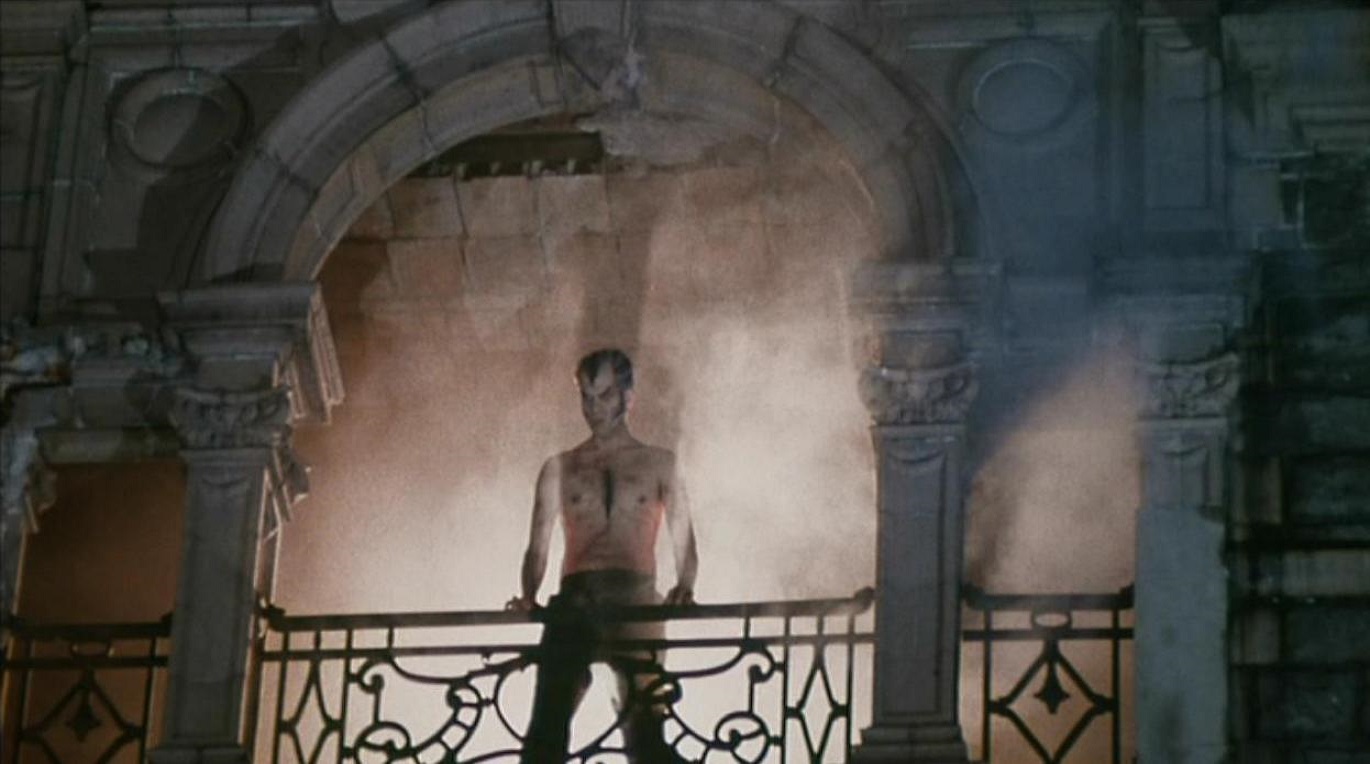
And interestingly, we went ahead, shot the dead people, and when I screened the picture for Avco Embassy I insisted on being at the screening. There were all these executives there and they didn’t say a word throughout the entire picture. It wasn’t until Bob Raimi, the head Of Avco Embassy, who was at the screening, saw the dead people popped out of the ground, he said, “I can sell that.” And that’s why the deal was made.
But it was like making a deal with the devil, literally. Because there was one young executive who was trying to make a name for himself, a fellow by the name of Donald Borchers who signed to complete the picture with me. So, the deal was “we give you the money to finish the picture. We just want to make a few changes.” A few changes turned into quite a few changes, So, it was tough for me I did not feel the picture at all reflected, or at least very little extent what it was I had in mind. It was entirely a different picture. When it was completed, and I’ll never forget this, we ran the print for Avco, and of course everybody was in attendance. They were all very excited because they felt they had another opportunity to exploit a horror genre picture and it actually did very good for them. It did very for them. But I walked out after the screening and vomited all over the parking lot. So, it was tough for me.
That is the same case with Mother, the Diane Ladd picture, the same thing happened. The producer in this case got involved and re-cut the picture. It was too bad.
But interestingly, in the years that have past, I’ve lightened up a lot, in regard to that picture. I’ve gone back and looked at it as something that’s been tampered with and interfered with, and I’ve realized that it was certainly a very personal film in a lot of ways. There were things that I did that I’m really quite proud of.
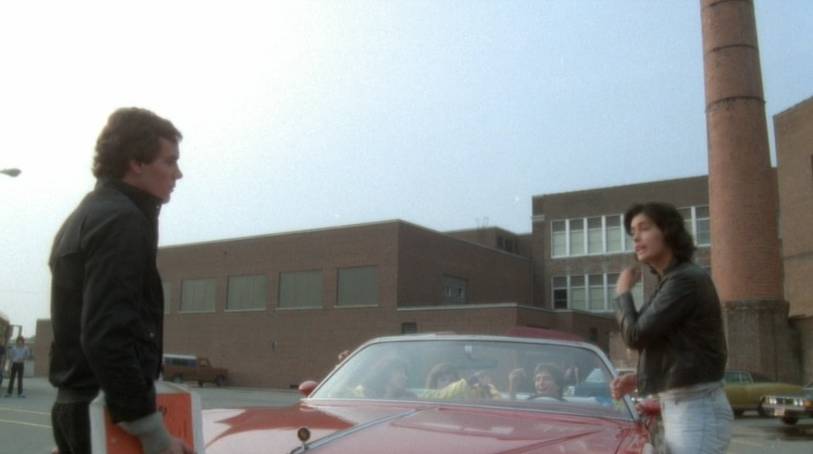
They shocked me to a certain degree, that I had the balls to go in there and do some things I did. The film was really about what it means to be an outcast and to deal with one’s differences, and the kind of condemnation one might face as a result of being different. I was going through a lot, personally back then and it’s reflected in that film. A lot of internal battles going on, and it’s all very much reflected in that film, on a very personal level. It’s interesting, in an odd way it’s probably the most personal of all three.
VOD: Really?
FL: In a very strange way, it is. One would have to know me to understand, but it really is. So, I’ve loosened up a bit on it.
VOD: What, if any, religious history did you base the stow on, such as the Unholy Trinity.
FL: You know a lot of it, as I said, had to do with a lot of the personal stuff that was going through, the battle within myself. Just trying to find who I was. But I’m Italian descent, born and raised strictly Catholic, and so all of that dogma and that marvelous kind of repressed Catholic sexual shit and all that stuff, had a Jot to do I think with that idea evolving. A lot of it, quite frankly, also stems from some of the tales I heard my grandparents tell about angels battling devils in the old country and that sort of thing. I heard all of that stuff when I was a kid.
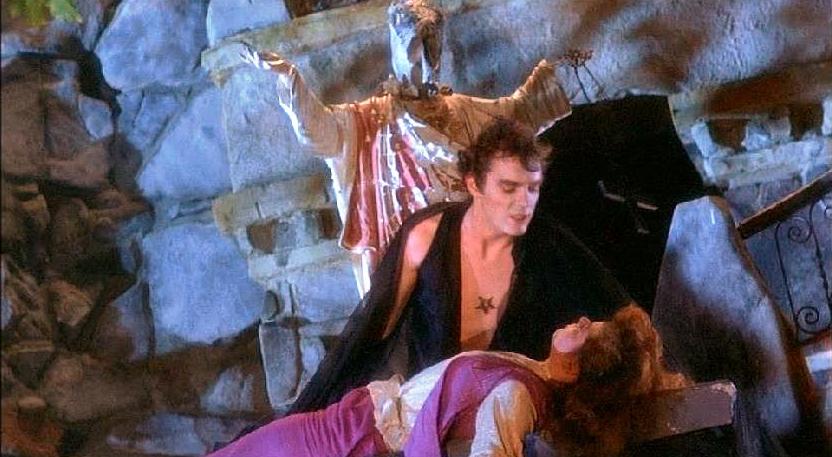
And of course, when we go back to that time, these kinds of demonic possession films had much to do with some of the Fundamentalist concerns of the day. They still do. And that is the Revelations, the end just around the corner, the prophecies that relate to the new millennium and the end. So that had some bearing as well.
But I think what I was most interested in was I had to make a picture within parameters of a low-budget. Those were defined even prior to the deal with Avco. They were defined by Charlie, by the money he managed to get interested in. investing The idea was make a movie with dead people, this is what I was told… “there has to dead people.” You have to shoot at this castle because there were a couple of guys who had financial interest up there and they would love Io showcase it in a film. I went up there and looked around and quite liked the location and was very happy about that, but I didn’t know what the fuck it was going to about. So, there had to be dead people, it had to be shot at this castle, and it had to made it for this amount of money. So, I whipped up this general approach.
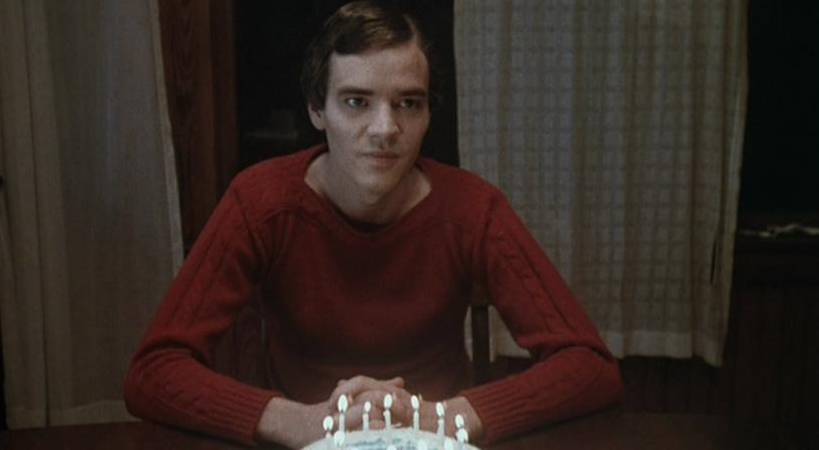
But then again if you go back and look at the film, there’s much about it, that back then, interestingly enough, the critics lambasted for being perhaps somewhat homophobic. If they only knew! Because the struggle I was talking about has to do with my homosexuality and my battle with that back then. But that’s really what it’s all about. What that film is all about for me on a personal level. If you go back, look at it, the young man who was very much struggling through all of that. The central character of Andrew certainly was androgynous to say the least, if you recall the film. That kind of served as a means for exorcising for me. The whole picture did. But the problem was I wasn’t ready to face it at all. It was very painful to me. There are many homoerotic elements to this film, the scene in the shower, the kiss in the shower. As regards to the film in total, the whole attitude was ultimately not only within the contents of this story, but he was ultimately destroyed. The satanic figure was destroyed by these angelic figures. But he didn’t have a fucking prayer. His differences were not something that ultimately was going to save him or was something to celebrate or something that he could even come to terms with. It was going to destroy him. That’s basically where I was at in my life. I was quite literally going mad. You know, at 24 and trying figure out what the fuck it was that I wanted and what was important to me, emotionally, and sexually, and how I related to everyone else. Very much like an outcast.
VOD; Were you conscious of any symbolism in the film, such as the girl an angel and the boy being Satan.
FL: Oh yeah. Everything that I homosexuality to was just blasphemous, evil, desperately dangerous. But the fact remains that back then at 24, you can imagine, from a strictly Catholic upbringing, and having dated and actually have quite degree or success with women, I had other feelings. So, it was very tough for me, But now when I go back and I look at, you see, understanding where I was coming from back then, and I think how much I’ve grown. you see Lady in White, just to jump ahead, Frankie, the Lucas Haas character, his difference is celebrated. Absolutely celebrated. The fact he’s unusual, he’s unique, he’s an oddity, is actually what saves him and saves everybody we care about in that film. So, I had gotten to, or grown to the where, certainly by Lady in White, I am very happy with who am. Lady in White is a much more mature film in that regard. But I would say that Fear No Evil is probably the most personal. Even though I wasn’t ready and willing or able, I couldn’t even understand it at the time to say this is what I’m going through. The film reflects that.
VOD: Just on a note, even though I’m not in the film business, to bring something from nothing, such as Fear No Evil, where you write, direct, and do all this and then to have someone screw with the end result, is something I can’t even imagine how that must feel.
FL: It feels like you just want to quit. That’s why my career has been so sporadic. It’s difficult for me, because it means so much to me to see the work as I intended it. And when you make a picture that’s better than it ultimately turns out to be because somebody else has mishandled it is the only reason why, and you did not have the power, you could not prevent them from doing so. It’s a horror. It’s an absolute horror. With Lady in White, I got to see it from beginning to end. Because I raised all the money. Took it from beginning to end. Refused to go to anybody else for any money. And that’s the only reason the picture turned out as well as it did.
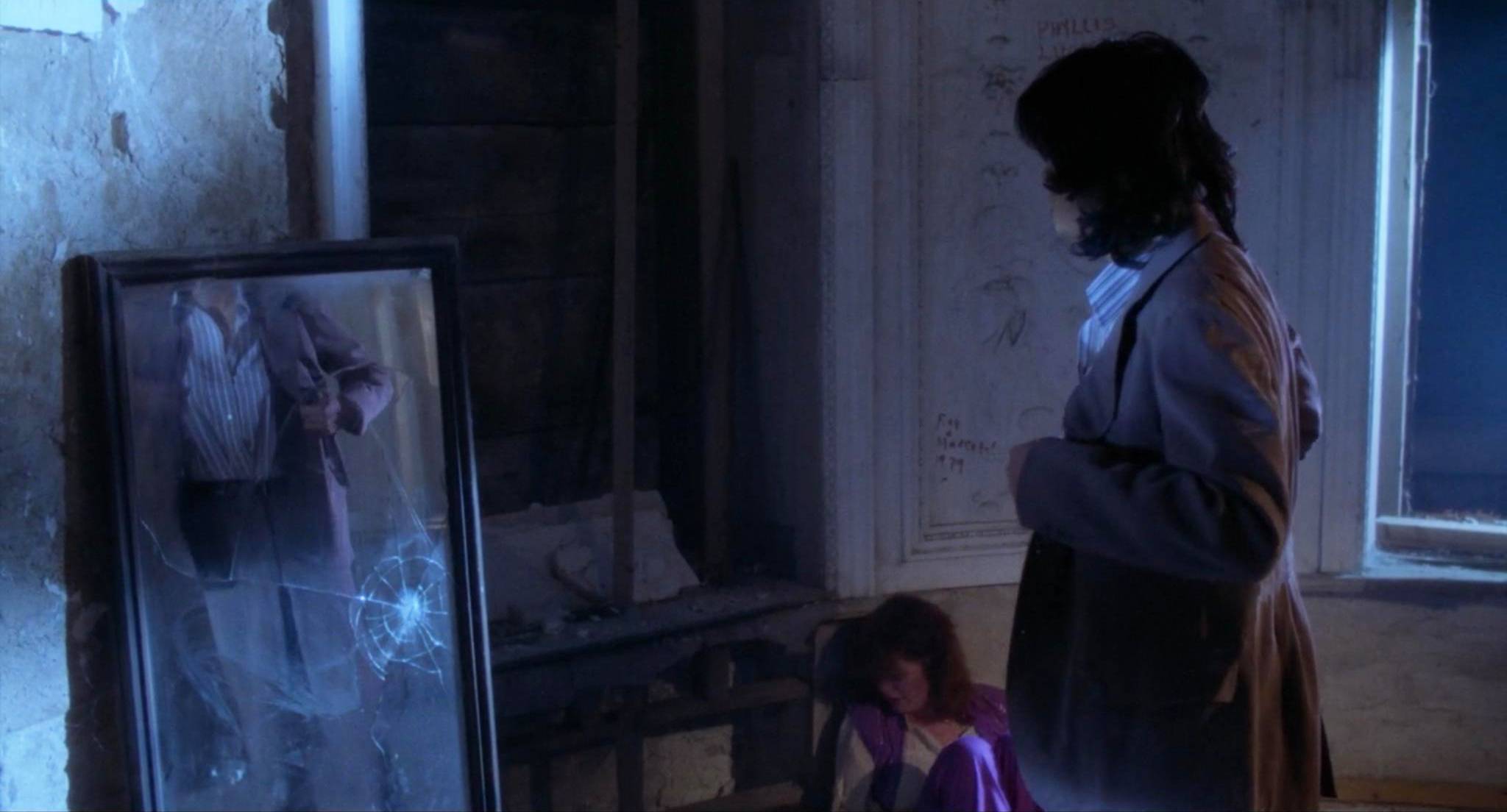
With this last picture, the Diane Ladd picture, Mother, I was hired to direct solely, although I had much to do with getting the script into shape, because I turned it down three times. But I did not have control of the cut, and I knew that going in. There was no way I was going to get it. And I wanted to work with Diane, and she wanted to work with me. And then Olympia (Dukakis) came onboard. I thought I had to take this chance. Unfortunately, it happened again. So, it’s a tough game. I would say to anybody reading this, don’t disqualify any filmmaker based on one film in particular, or any single piece of work.
VOD: There’s a lot going on there.
FL: Yeah, there’s so much going on. You’re putting out fire after another after another. And sometimes you just run out of ammo. There’s nothing else can be done, so it’s painful When that It’s happened to me twice. It happened with Fear No Evil and it happened to me with Mother.
VOD: It seems that a lot or the directors who really show a lot of promise, as far as their ability and their style, are either sucked into the Hollywood “cookie-cutter” director type-thing and they lose that, or they can’t make film, as far as the production. One director I’m thinking of is Richard Stanley/ Not sure if you’re familiar with him?
FL: Sure.
VOD: He made a great film when he made Hardware. Then he got butchered when he did Dust Devil and then got fired on the remake of The Island of Dr. Moreau, and that’s one he developed on his own.
FL: Right, and they hire a hack like Frankenheimer, who’s going to do nothing except what they want him to do, and doesn’t give a fuck. And turns out a lousy picture, and it doesn’t matter. It opens, they rode the wave for two weekends, and that was it, they don’t give a fuck. You’re absolutely right. That is basically where I’m at right now. I had to suck a lot of ass to go in and do the job and not care. Which I may have to do to pay my mortgage. Or I stick to my guns. Sticking to my guns has caused me much, much pain. But sticking to my guns also got me Lady in White. And at this point, I’ll tell you, if ultimately what my career is going to come down to one great picture, and I do Lady in White is a great movie, then I’m luckier than most.
VOD: I can honestly say, as far as being a fan in the horror genre, whether you have one movie or a hundred movies, if you have one descent, great movie, that will stand out.
FL: Right.
VOD: And if you compare him to some of these other directors who are turning out films left and right, and every other one is kind of okay. Like Wes Craven, I’ve really some of the stuff that he’s done, but I’ve really disliked some of the stuff he’s done as well.
FL: Well, talent has very little to do with getting hired in this town or getting films made.
VOD: That is a damn shame.
FL: That’s not the way it works here. Ability, talent, forget it. As a matter of fact, it’s a huge hindrance. It’s a hindrance on a personal level and hindrance on a business level as well. Because they distrust people who know what they’re doing as odd as it sounds, who have a view, a point of view, a vision, if you will. They distrust that. We’re considered difficult. We’re considered who are not bendable. We’re considered people that are slightly more crazed then the business likes to deal with. Too risky, much too risky.
VOD: It’s ironic that someone with creativity would be not wanted in a creative industry.
FL: Real hinderance. The problem is that everybody wants to piss on what you do, you see. Even the money people, all the executive types believe that they are the undiscovered creative genius behind the work. So, anybody, regardless of how much money they’re making, I’m talking about producers, executives, it doesn’t matter, they must mettle. They must interfere because what they want is the notoriety that comes with being considered creatively marvelous. And so, they’ll constantly interfere, they try to get in the way, and they’ll fuck things up. They’ll do it every time. And you get so many people contributing, from their point of view. Dozens and dozens of people, their own singular point of view, what is they have to say, and every one of them is fighting for getting their creative input going. The whole for it has to do with of course making the picture mostly more of a financial success, and that’s bullshit. And what they do is fuck the movie to the where is this becomes muddle. There’s no clear vision anymore. None, it’s just the muddle. It’s a horror. This is the horror movie. Making movies is the most horrifying endeavor one would ever fathom.
VOD: It’s a shame it has to that way.
FL’ Making movies is horrifying. Not the process, the process ff actually shooting the film, the creating it, that’s the joy. It is dealing with all these idiots.
VOD: One more for Fear No Evil, as far as what Avco Embassy did, they added colorful optical effects?
FL: Yeah, well what happened was the opticals were always something that the picture needed to complete the film. I shot all the background, I shot everything I needed, and I knew where I needed to go optically. I perceived the opticals. What Avco did was recut the picture. They deleted key scenes as regards to story and character development. They insisted upon a lot of the crappy needle drop music. I wasn’t happy about at all.
Their interference primarily had to do with the cut. That’s what it was all about. Don Borchers was the executive assigned to the picture at Avco Embassy back then. He had never produced a picture on his own. He was this young whippersnapper, about my age, when he was over there. And he was assigned to complete the picture. Just as an example, after he dictated, which seemingly all these dictates were coming down from the top brass, I had very little traffic with after we had made the deal. I primarily had to deal with him. He dictated all the various changes with the threat that the picture was going to get shelved unless they got made. And the horror of this was that I was the one who had to make them. I battled, and battled and battled, but it was make them or forget it. It was going to wind up on the shelf.
We’d gotten to the point where there was one scene, the seduction scene in the picture, that he wanted it out. He wanted it completely lifted. At least that’s what he said he wanted. This was the ploy that he’d hinting all along, that what he really wanted was a credit on the picture as Associate Producer. He wanted me to grant it to him, and I was the only one who could do it. And in order to retain that scene, I had to agree to give him the Associate producer credit. When I did that, he left it alone. Now he used that credit and launched himself as a producer. He produced Children of the Corn, Crimes of Passion, but this was his first credit, and that’s the way he got it. That’s the way he launched his career. Basically, by destroying the picture.
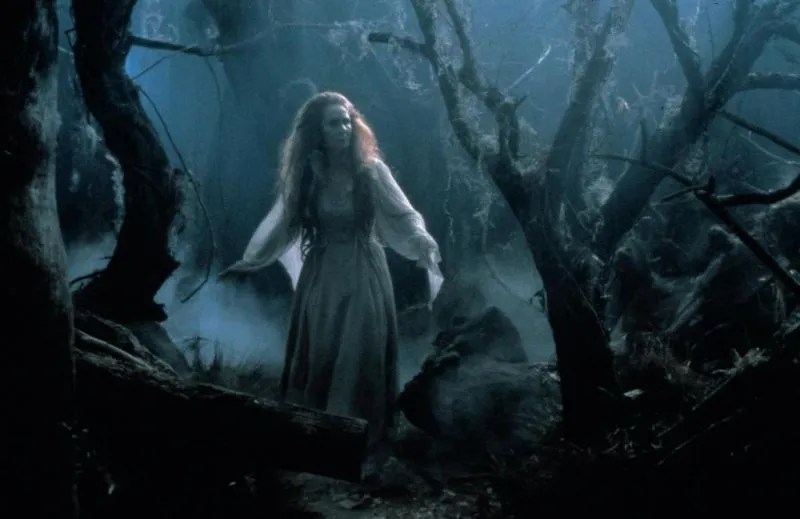
VOD: Getting to Lady in White, mixing horror and comedy isn’t the easiest thing to do, without becoming campy or slapstick. The humor in here was done very well. Was this intentional from the beginning, or was this as you went along, adding it as you went?
FL: It was always intentional. See here’s the way I feel. Kind of like a computer program, you know where you go to Word Perfect and it’s all in code, and then you got to find your program to get it all to readable form? From my point of view, from the point of view of developing the story, writing structuring the story, I’m kind of programmer when it comes to how the story should play on a visceral level. My feeling is that if you’re going to scare the shit out of somebody, you have to able to take them from a place where they’re comfortable, relaxing, having a ball, laughing, enjoying themselves, there’s no threat whatsoever. Best way to do that, of course, in order to get them to the point where all of a sudden you nail them and take them by surprise. It’s all got to do with the visceral. And that’s why I think the horror films, look at The Bride of Frankenstein, ever made had elements of humor. And the reason they’re there is to manipulate the audience emotionally. That if your sitting there and watching Dr. Pretorious in the scene with the little miniature figures that he has reduced in size, or the scene With Karloff smoking the cigar with the blind man, and you’re sitting there laughing. At the same time, there is an impending sense of disaster and doom brewing throughout the picture. You know where the story is going, but what this does is it takes the audience and put them into a kind or slate of relaxation, and is not warranted, but it allows them to relax so that you can really nail them. You have got to bring them down, let them relax, let them take a breather, so that when it’s time to juice it up, you’ve taken them from that state as opposed to taking them from where they’re ready for you, already on edge, already waiting for something to occur. The best stories, any stories, always incorporate one of the strongest aspects of human nature, of course, being able to laugh at ourselves. That’s all got to be in there in a successful storytelling.
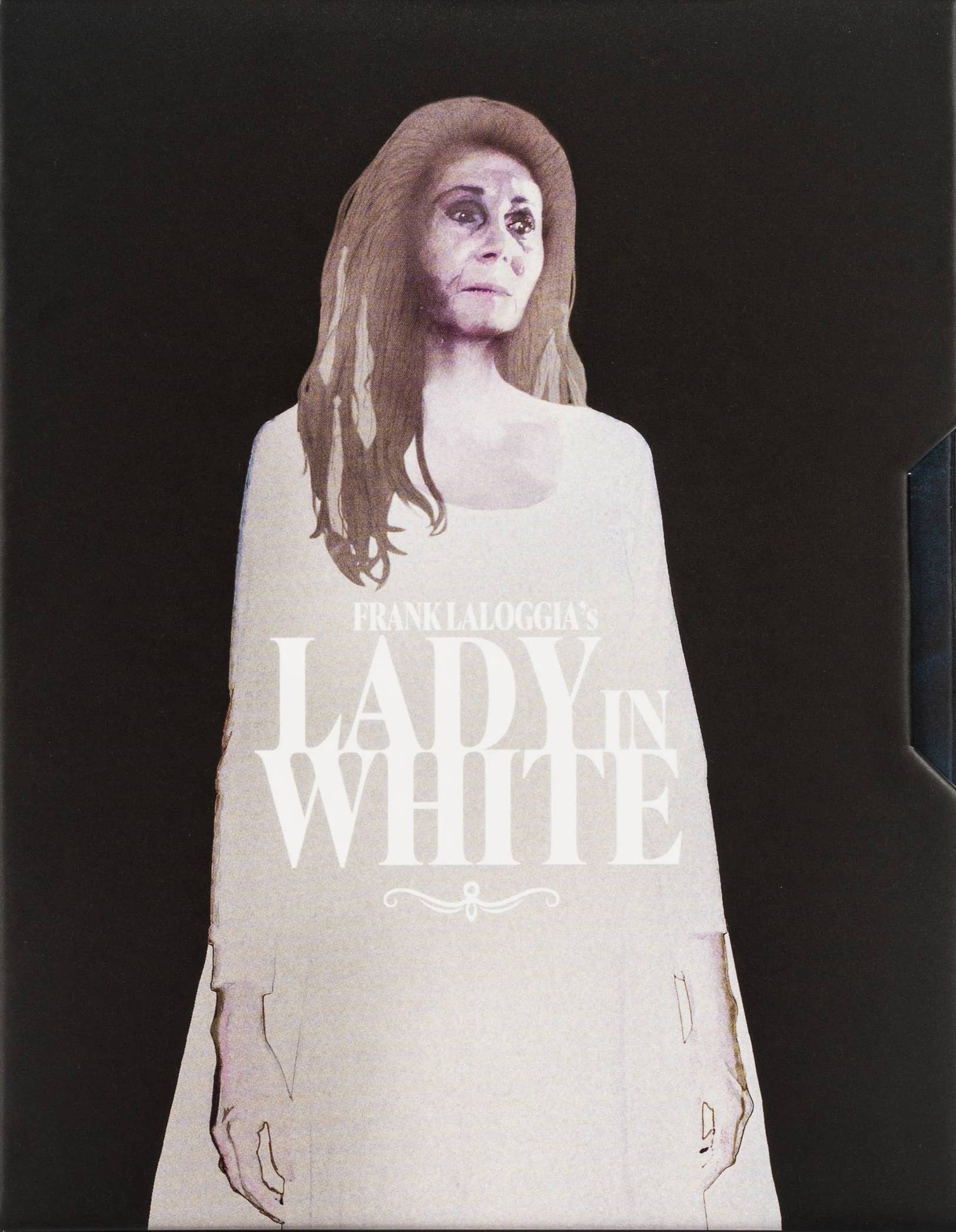
With Lady, it all just made sense to me. With Mother, much of what was lifted was the humor that I had put in. In this particular case, very black, very dark humor. Wonderful stuff, and the jerk lifted it all. It was just ridiculous, because it was what gave the picture a wonderful campy edge.
But with Lady, that was always part of the game plan.
VOD: Was that you as the adult Frankie?
FL: Yeah, that was me.
VOD: I was thinking that, since there was no screen credit or anything. Was Lady kind of autobiographical, as far as your childhood?
FL: Very much autobiographical. From the of view of familial stuff. My father was a welder. The two grandparents were virtually a carbon copy of my grandparents. do have a brother Gino.
VOD: So, you do have an older brother.
FL: In the film he’s my older brother, but in real life he’s my younger. Frankie was kind Of a composite of me and my younger brother.
VOD: Are you like Gino is then to Frankie, cause I have an older brother too and I could relate to Frankie a lot.
FL: The elements Of Frankie’s character that were very much mine had to do with his storytelling prowess and the fact that he’s very unusual, kind of an outcast, but well liked. And with Gino, what was very much a part of my character as the older brother in real life was that I loved to scare the shit out of my little brother. Once I had a watch that glowed in the dark. He reminds me to this day of the time that stood diligently above him, in the middle of the night, swinging that glowing watch over his eyes, lightly blowing on his cheek until he awoke in a terrifying fright when he seen this glowing thing. Yeah that of Gino was very much my character as the older brother. Whereas Frankie in the fourth grade was pretty much me in the fourth grade.
VOD: Where did the story for Lady come from?
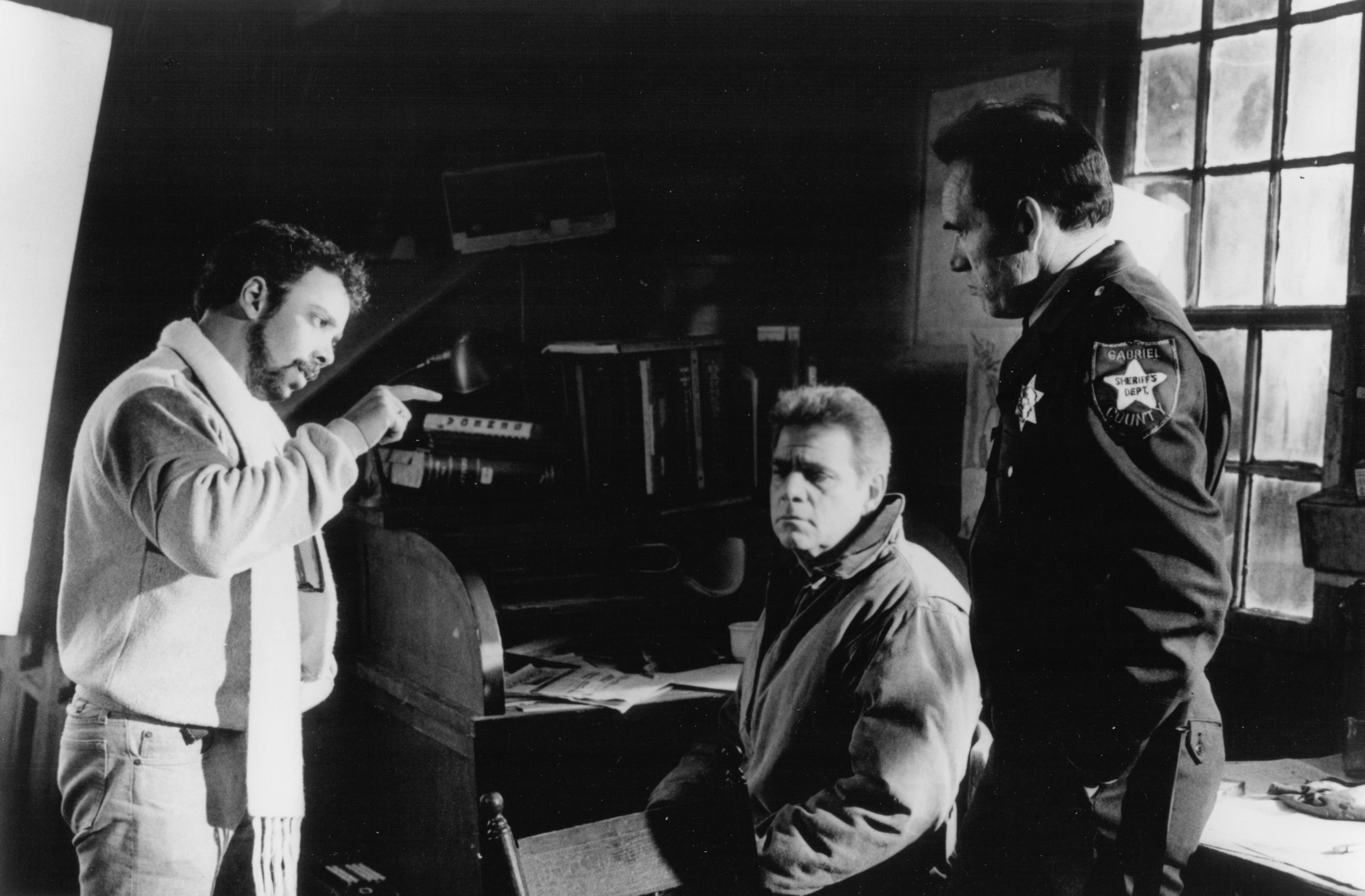
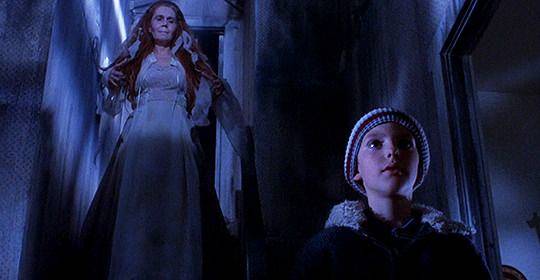
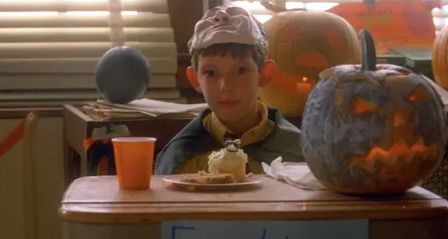
FL: I wanted to do something that was reflective of my youth in that period of my life, number one. I wanted to do something that was kind of a homage to my background, to my ethnic background, and particularly to my family. I love them dearly. But interestingly the idea for Lady, the story itself, actually started with the image that became the prevailing image for the campaign, the shot of Frankie in the cloakroom. It’s really tough from a creative standpoint to say how the story began, but I know that it began with that image. I know that one day that image came to me. I remember the cloakroom in my fourth-grade class, and I remember how terrified I was. I remembered Halloween, and what it was like for a kid my age, back then to experience Halloween. And that image of Frankie up against the window, the half-moon window in the cloakroom was the first image that hit. And I can’t really tell you much more than that. All I know is that it evolved from that.
The next thing knew was I had a ghost story on my hands, with very solid reflections on my past, on my youth, on my growing up. That project took four years. Four years! Nobody wanted to make that film after Fear No Evil. I did not submit it to many places in town. But one of the places I did submit it to was New World, because one of the executives that had run Avco Embassy had moved there. It got a glowing readers report. And they still didn’t make it. And I knew we had to raise the money, and I had to take it from beginning to end this time without any interference. But it took that long. It would of never have gotten made if we hadn’t raised the money ourselves.
VOD: I think the end result is a lot better! The town in Lady has a very “Ray Bradbury’ kind of feel to it. Was that basically the same setting as your childhood, that same small town?
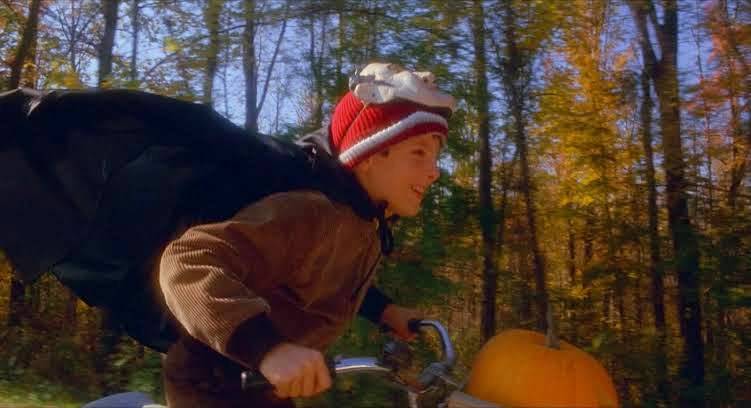
FL: No, I grew up in Rochester, but there were surrounding little towns like that. We wound up using actually a compilation of three little communities. They were all within a proximity of a hundred miles of the city of Rochester. But interestingly, I’d never been to any of them. I just knew that I wanted to make the picture back east again. I wanted to go back there and see what the surrounding countryside was like. I understood it and felt that it could contribute enormously to the feel of the film. My father was a welder, with a cinder block shop that he built next to our house, in the inner city, which was located next to a huge factory. So, I decided to make the setting ideally, almost in the extreme to kind of juxtapose to the horrors that are pending and brewing. But my father was a welder, his shop was right next to the house, but the setting was very different.
VOD: You mentioned before about your coming out with a director’s cut edition of Lady?
FL: Yes, I’m very excited about this. Elite is doing the laserdisc. We’re supposed to start next month. It’s going to include some deleted scenes that will be in the flow of the new transfer. The picture was 13 minutes longer in its original cut. And I saved that cut.
VOD: So, the footage will be in the film, not at the end of it?
FL: Yes, but not all of it. There are some things that I’m not going to include because I really don’t want to put them in. But there’ll probably will be a good 7 to 10 minutes’ worth of additional footage. And there will be a supplementary disc with loads of material, including deleted scenes that I’d cut that were never cut into the picture. Some incredible stuff. Lots of behind the scene stuff. We’re going to do a 10–15-minute video behind the scene presentation because there was a lot of video shot behind the scene in the making of this film. So, I’m really excited about that.
VOD: Have you always been a fan of the horror genre?
FL: Yes. I’m 42 years old. I grew up with the Universal classics on TV. My father had an 8mm camera projector. The whole thing started with him buying me a 3-minute compilation film of a Abbott and Costello film as a birthday gift when I was about 5. I ran that thing over and over and over again. So, I was a huge fan of Bud and Lou’s. I always have been. And the horror classics. They were so wonderfully atmospheric, and they were so suggestive in their horror. They created mood and ambiance. But I’ve a never been huge fan of modern-day horror. If I was, I think Lady would have never existed. It’s interesting because the critical responses to Lady was enormously positive. It ranked among one of the best reviewed pictures of the year. Absolutely no doubt about it. One reviewer said that either that the director has not seen a movie in the last 20 years, or he is blessedly free of what’s going on out there in spite of having seeing them. The truth is of course that I’ve seen many movies. I’ve just always had a respect, for example, Halloween. I could give a damn the about the Friday the 13th films. I have no disregard for people who like those films. They just don’t turn me on. So, I find myself going back to the old classics, or the Hammer films.
VOD: I’m a huge fan Of those films.
FL: I’ll watch those repeatedly this time a year and just fall in love again, with a big smile on my face. I’m not a huge fan of the modern-day horror films. The blood and guts stuff… it just don’t turn me on. I’ve never been a big Wes Craven fan. I’ve watched his work, and certainly respected him, stylistically. But it’s not my cup or tea. So, to answer your question, I’m a old fashion kind of guy.
If I had the opportunity to work every day to make films my way, you’d see a lot more films like Lady is, as opposed to films like Fright Night. Because don’t think that way. It’s not me. I have a wonderful thriller that I wrote set in Italy called Hands. I may be close to getting it up, looking like I have a shot. But again, this thing been written for fucking four years. I’ve been hustling it all over town. I’ve been shot down left and right. If given the opportunity to make it, I guarantee you, it’s going to rank. It’s a wonderful thriller. Could it be considered a horror film? As much as Lady could. It’ll scare the crap out of you, but it’s not graphic horror. It’s got to do with getting under your skin. It’ll have that kind of feel, that kind of agelessness.
VOD: If it’s the same as Lady, it’ll be great!
FL: I hate to sound like I keep patting myself on the back, but the picture is timeless. When you look at that film, nobody could say that picture was made or reflects a certain style of attitude as the 80’s might have suggested, from a film making point of view. There’s nothing that dates Lady.
VOD: Definitely not.
FL: You can’t date that movie. That picture could have been made two months ago. Twenty years from now it will feel that way, and it play still play that way. It’s just a great story that has its own timeless vacuum. The best pictures are. You can’t really pinpoint them as regards to style or era. It feels like someone sitting around a campfire telling you a good ghost story.
VOD: It’s a lot like Something Wicked This Way Comes?
FL: Yeah.
VOD: That was made, I think, ten years earlier, and it has that same feel to it. You can’t really date it.
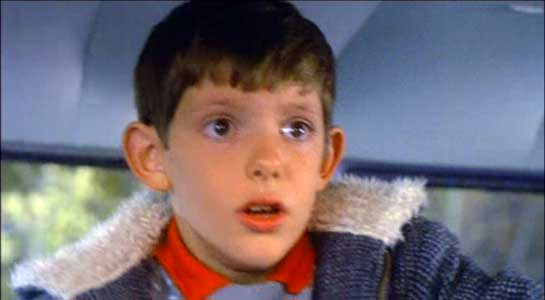
FL: Right. It was directed by Jack Clayton, who I think was such a fine director. That’s a picture that I remember seeing upon its release and liking it very much. It’s beautiful.
VOD: You did the music for both Fear and Lady?
FL: Right.
VOD: What’s your musical background, and have you done soundtracks for other films?
FL: No. I’ve no interests, but that’s crazy me. I’ve been asked to do scores, but I don’t have any desire to. I don’t know if I’d do a good job. Because with me, I know I can do a good job with my films even as I’m writing the story, music is coming to me. When I was writing Lady, I was sitting at the piano a lot or the times. Recently, a record producer from Holland got in touch with me about releasing the score on CD for Lady. And there’s also a CD-Plus program on the CD. It has about 150 stills. and interactive interview with me, it’s all in the same soundtrack CD, It’s really marvelous. You should be able to order it, even though it’s an import, but you should be able to get it. It’s on the computers, like at Tower Records or major record chains. This is something really special. He did a job and he’s going to be releasing the score for Fear. I’m not sure if he’s going to have a CD-Plus for that one, but I’m also very proud of Fear score too.
VOD: That will be two soundtracks to look for.
VOD: You kind of touch on this before, but in your movies, you write, direct, produce, and even do the music. Is there a particular reason for doing that many jobs or do you just want more control of what’s going on?
FL: It’s because it’s all integrated. It’s all part of the same fabric. That’s the just the way I think and operate and create. If I didn’t have the ability to do it, if I didn’t think that way, I wouldn’t doing it. But it’s because I hear the music, and the music that I’m hearing in my mind’s eye, even as I’m writing the script, is guiding me, as to the structure of the scenes, and the way it places, and the flow of the film. It’s all so incredibly integrated. I’ve had experience in all of these areas, so I can’t separate them.
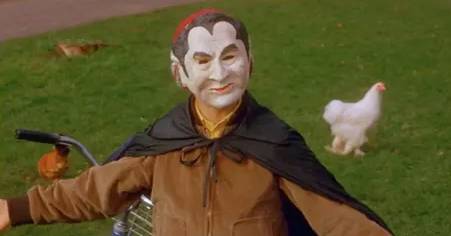
VOD. You don’t really consider it four or five different jobs, but consider it more as one job?
FL: Yeah, I’ve always said that I don’t consider myself a director. I consider myself a filmmaker. Yes, I’m a control freak, but the only reason why I’m a control freak is because all of these things as I’ve said are one. They become all one to me. And in order to maintain, to see to it that they are all properly integrated, I do have to control the scenario as much as possible. That’s the other thing about out here, nobody gets that. They want to peg you. It’s like “You can direct the film. And maybe you can write the film, too. Wait a minute… you want to write the music? What are out of your fucking mind?” It’s like, well I’ve done it. I had 70 fucking pieces for Lady. It’s a score. Most of the time, they don’t even know that after having seen the film. When I tell them, it’s almost like that even more of a threat. How do deal with this guy? There are such nerds.
VOD After FEAR NO EVIL, did you make three short films?
FL: I made the short films prior to Fear No Evil. You did your homework, huh? When I was a kid in high school, my first movie was a little 8nun movie. I picked up my dad’s old movie camera, and I made a movie because I didn’t want to write a paper that I need to write for English class. I was 15 and I said, “how about if I make a movie?” I hated writing papers. The English teacher said, “okay, go make a movie.” So, I made this short film called The Clown and the Light. It was ten minutes long. Even back then I was such a fucking maniac. I wanted to shoot it in black and white. It had to have a grainy kind of feel and look about it. It was just going to be a clown and a spot of light, and this simple little story about him trying to maintain the light as his own. It was that kind of a thing. But wanted to shoot it in black and white, but there was no black and white film around in 8mm. I wound up having to fucking get it at this mail order house to order from France. So, I got this film from France and shot this stuff. Then I had to send it to a special lab in New Mexico, because nobody would process it. And they had to wait until they got a batch of stuff to run in a black and white chemical processing bath before they’d do it. I finally got it back, after about two months, sweating bullets. Then I had to cut the film together. That was my first film.
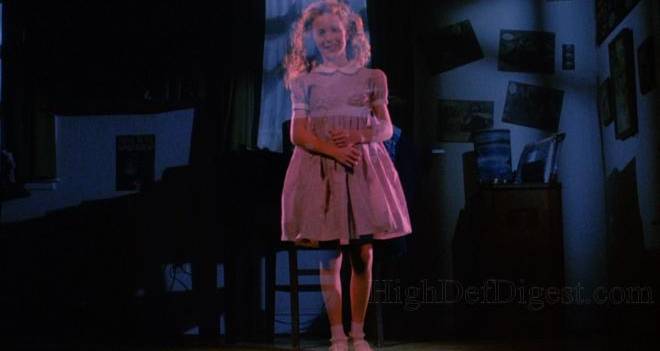
Then I picked up a 16mm camera that was sitting in the audio/visual department in school the following year. I was working as an usher at a movie theater, hustling doing what kids do to make a few bucks. I saved up some money, and I spent that to make my second film. It was not sync sound, but it had music and effects, and it was called Willow Point. It was about the death of an amusement park. A park being torn down in upstate New York that I used to go to as a kid. It was 15 minutes long. Both those films were submitted to festivals, won all kinds of awards, I got a bunch of plaques and certificates. And then, when I was 19, first year in college, I wrote a screenplay for my first sync sound film, to be shot in 16mm, called Gabriel. It was 27 minutes long, in color, sync sound, original music. I needed $10,000 to make that, so I set up a corporation, so I sold shares in the corporation, hustled all my relatives and friends, and raised the money and shot that film in the summer of my sophomore year. And that film also went out and won a bunch of awards. And those were the three short films. Fear No Evil came years later.
VOD: Well, I appreciate you taking the time for this interview.
FL: Your very welcome.
VOD: You’re the first interview that we’ve done, I do really appreciate it. +
FL: No problem. I got a kick out of it. I wish you the best. Take care
Both Fear No Evil and Lady in White are available in special 4K editions from Vinegar Syndrome, which are both packed with extras. The Lady release has 4 discs that come with 3 different versions of the film! While Fear might not be for everyone, I couldn’t recommend Lady enough, which is a perfect movie for the Halloween season, and good for all ages. Just click HERE to get to their website.
You can also check out Frank LaLoggia’s website HERE which has a ton of information about his films as well.


Pingback: DtH Episode 134 – Frank LaLoggia with Ben Scrivens