
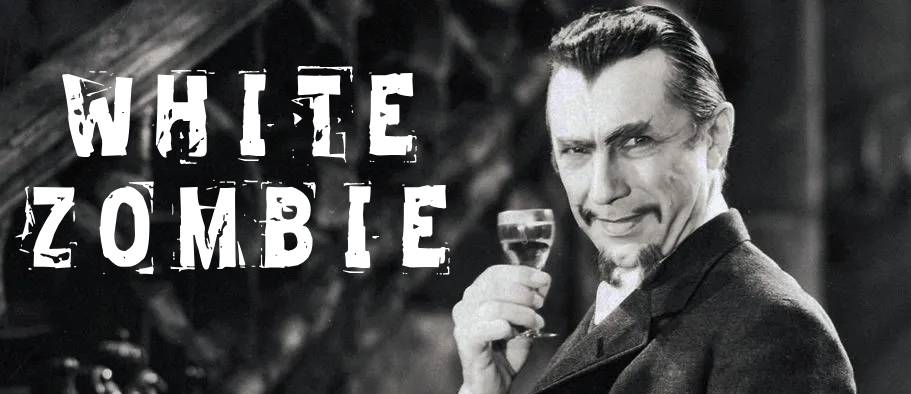
(1932)
Directed by Victor Halperin
Starring Bela Lugosi, Madge Bellamy, Joseph Cawthorn, Robert Frazer, John Harron
This film starring Bela Lugosi tends to get overshadowed by the one he made the previous year, Universal’s Dracula (1931) since that was the film that made him a star. It is unfortunate because I feel that he gives a much more memorable performance here in White Zombie, as the voodoo priest Murder Legendre, than he did as the famous Count. And while it might not be an all-around classic title in the annals of horror history, it does have more than enough to give it more credit than it gets, besides being the namesake of Rob Zombie’s first band.
This does have the honor of being the very first feature zombie film, taking ideas from William S. Seabrook’s novel The Magic Island, which was where American audiences first heard of tales of voodoo and zombies. These were somnambulist or automatons, humans moving without will, or at least without their own will. These were not the flesh-eating, living dead kind, which we wouldn’t see until 1968. Based mainly on voodoo rites, these were not actual dead that have come back to life, but more likely just under a spell, as well as possibly caused by drugs of some sort. No matter what the belief is, it is the first film dealing with them. This kind of zombie would remain in horror films for the next 3 decades until George Romero changed the game with Night of the Living Dead.
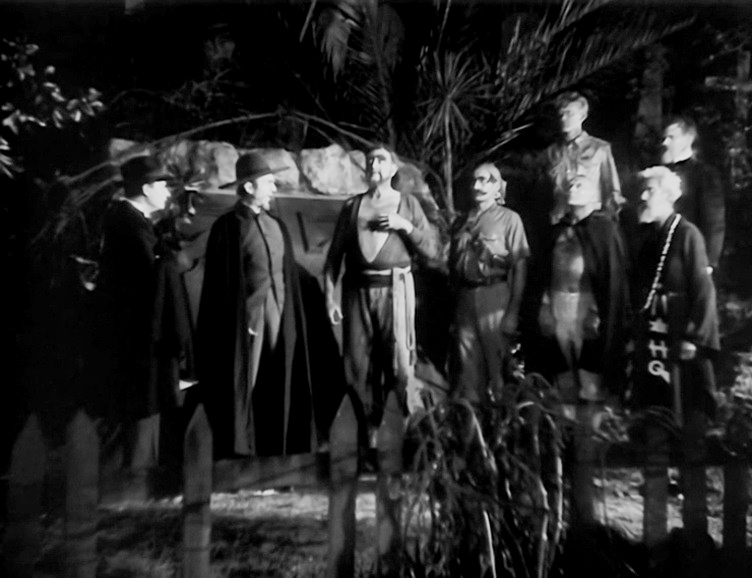
In White Zombie, we have the couple, Neil and Madeline (John Harron and Madge Bellamy), heading to the island of Haiti to be married. What they don’t know is that Charles (Robert Frazer), the man that invited them to the island, secretly pines for Madeline and has devious plans to make her be with him. This includes the use of Murder Legendre, a stranger figure that runs a sugar mill seemingly run by zombies! Like most stories in making deals with a devil, it doesn’t go according to your own plans. While Legendre does put a spell on Madeline, it does not get the result Charles was looking for. Instead of making her love him, she becomes a soulless creature with a complete blank stare on her face. But then our voodoo priest starts to covert her as well.
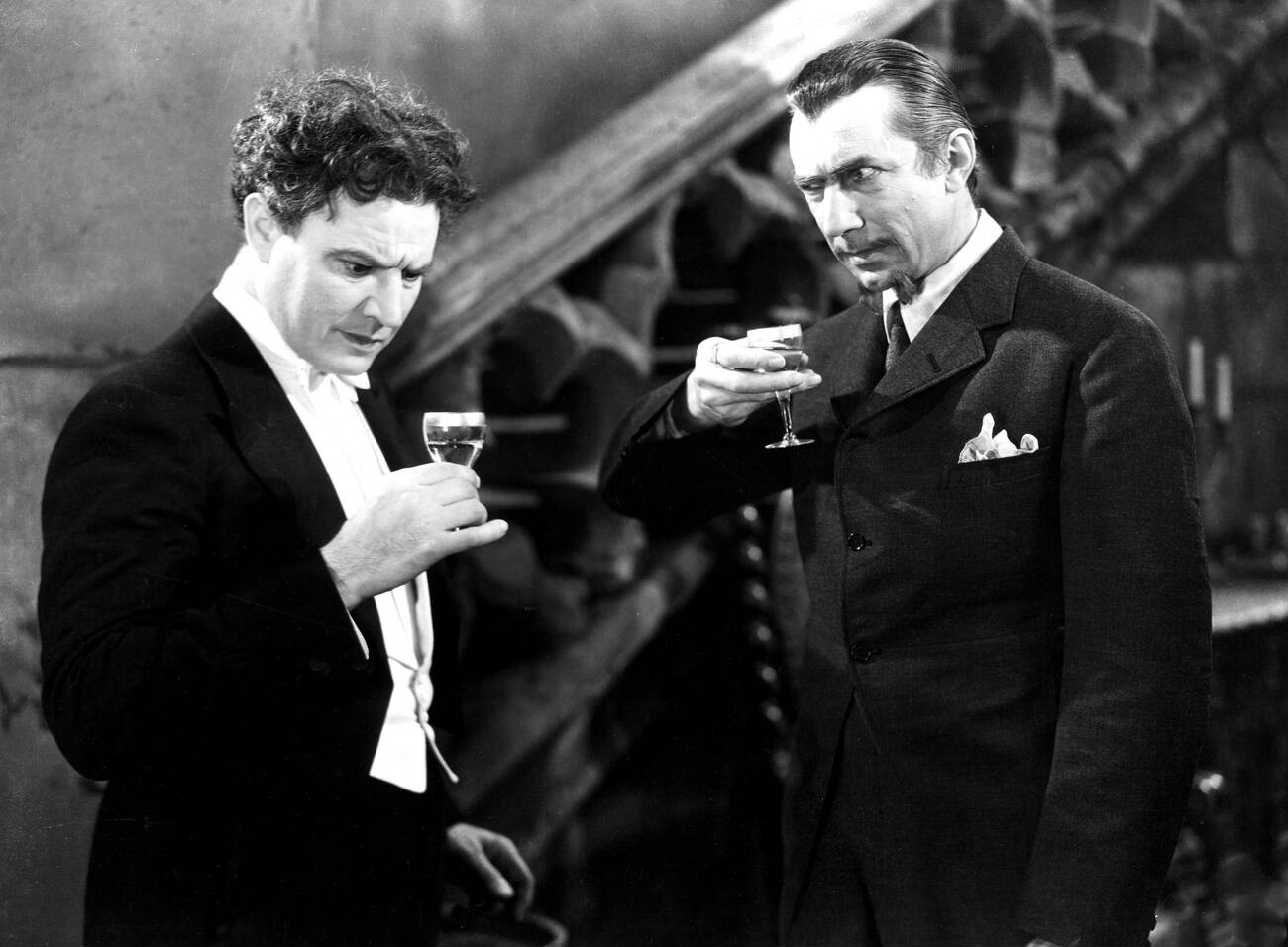
Since this is the first feature film with zombies, it sets the stage for making them a very frightening visage, seeing them wandering down from the mountains, all with a glass-eyed stare, as they move through the fields towards the mill. At the mill, we see these figures move through their work, devoid of any emotion or thought other than the task at hand. Even when one of them falls into the grinder, no attention or care is shown, which is one of the more disheartening scenes. One could say that this slightly models future workers, such as coal miners, or other such dangerous careers, where the owners cared little about the well-being of their workers.
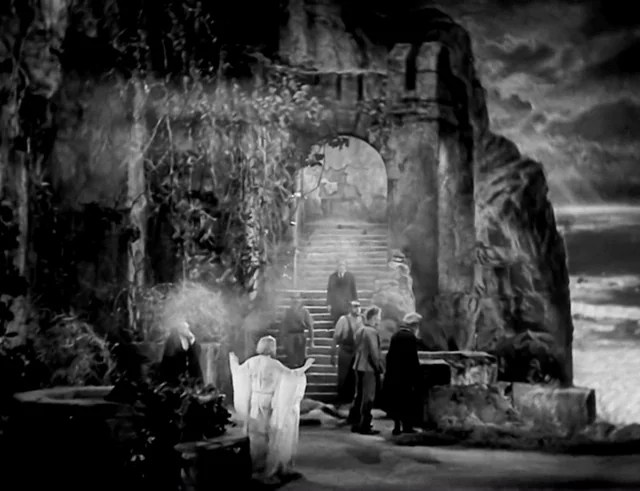
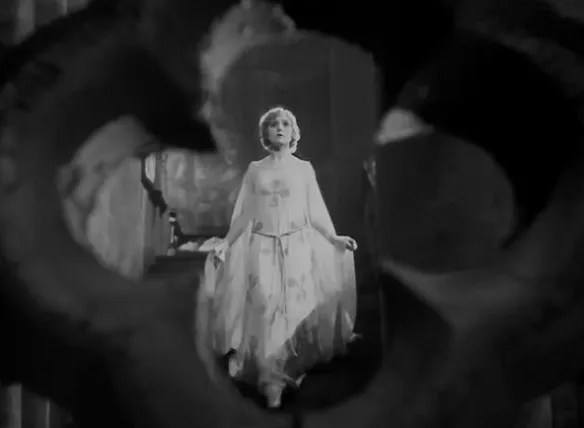
While some of the sets were borrowed from other productions, what we do get to see is incredible. The huge rooms with the long staircases show the grandness of the area. The shots of the castle on the hill, granted its obviously are a matt painting, is still an impressive shot. Plus, there are some interesting camerawork here, with several shots of characters coming down the stairs, shot through an ornate design on the railing or something, but it gives us an immediate different look, almost like bullseye to what we should be looking at.
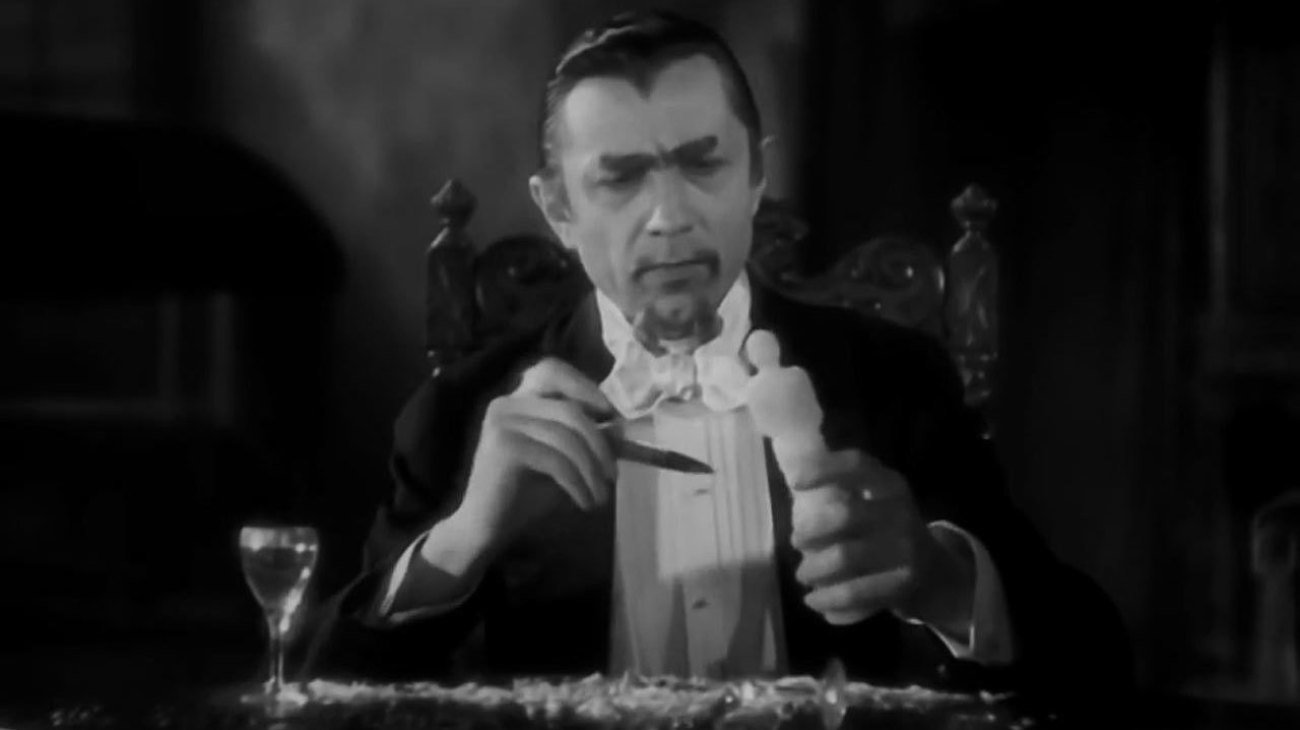
But let’s face it, it is Lugosi that draws most people to this film. Just a year after his huge break as the vampiric Count, as the lecherous Legendre, he is given something more to do than stand there and stare. Oh wait… he does that here too. But the character is a little more defined in this role, and he gives it a little more flare. Yeah, there is also a lot of the hypnotic staring going on, with closeups of his eyes being super-imposed over the screen, but it makes sense in the story. But I do think that was one of Lugosi’s highpoints, is that he could draw the audience’s attention to him when he was onscreen.
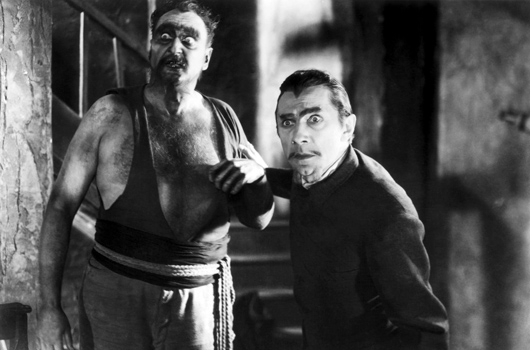
John Harron seems a little weakish to be our hero, but Charles Frazer has a decent character arc, first doing whatever to get what he wants, then realizing his horrible mistake and wanting to fix it. The actors that played the zombies, John T. Prince, Dan Crimmins, Claude Morgan, and John Fergusson, don’t have to do much but stand there with that dead stare, but they do it well and seeing them walking towards you can be a bit unsettling
Makeup legend Jack Pierce supplied the task here of creating the look of the zombies. Nothing over the top other than with some greasepaint or makeup, but they still help in creating that scary look on their faces.
Director Halperin would go on to direct several more features, but only 3 more in the horror genre: Supernatural (1933), Revolt of the Zombies (1936), and Torture Ship (1939).
Film Masters has released this disc but while the print looks good enough, it is another release completely void of any extras. No commentaries, featurettes, or anything. It’s only noticeable because the early releases by Film Masters always had such great extras to help learn and enjoy the title even more. Thanks to AV Entertainment for supplying the review copy to us to take a look at. If you’re interested in purchasing your own copy, head over to http://www.moviezyng.com.


Agree that Lugosi gets a better role here than as the Count. Reading your summary, what strikes me is how much White Zombie is a story about a couple: Neil and Madeline come to Haiti to get married, and the horror isn’t that she dies but that she’s still standing there with that blank stare and doesn’t know him. That idea, the person you love being present but gone, runs through almost every zombie romance since, from Zombie Honeymoon to Warm Bodies. Your reading of the sugar mill workers as disposable labor fits the Haitian origins too. Thanks for giving the 1932 film its due.
LikeLiked by 1 person