
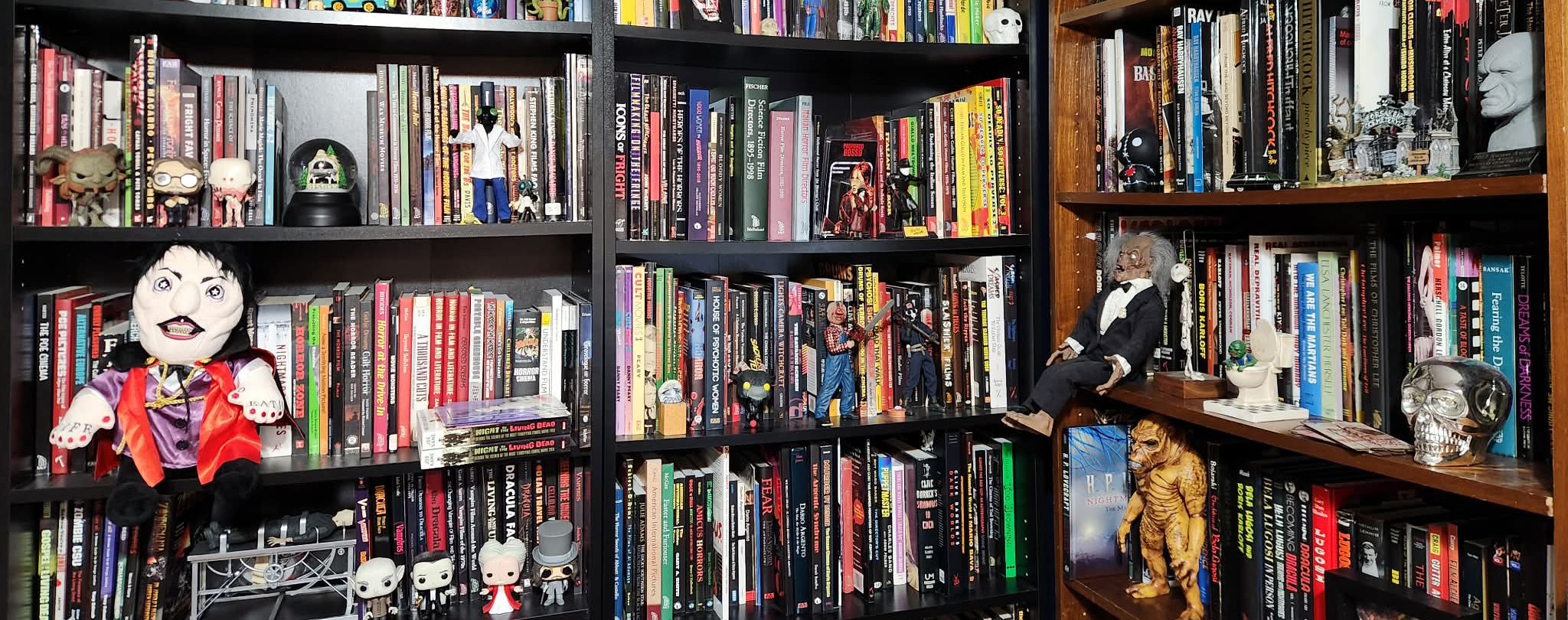
In case you weren’t aware of it, I’m kind of a book collector. And by that, I mean I collect horror reference books, or books that discuss or cover the horror film genre, from film guides, biographies, deep dives into different sub-genres, and even those titles that I call psycho-babble. I love them all. Maybe because I’m more old school and books are where I first learned about movies, way before the internet was a thing. I know I’ve said this probably a few times here over the years, but I think it is worth mentioning again, possibly for new readers, or just to remind regulars on how important I feel it is to learn more about the genre.
Because this horror film genre is so huge, going on almost 130 years, there are more films already made then we’ll ever get to see in one’s lifetime. Some might consider a fact like that a little overwhelming, others might consider it a challenge! But either way, it means that there is an ever-ending pool of discoveries for us fans. No matter how long you’ve been down this dark and twisted path. Perfect case in point, the recently release from Severin Films, Exorcsmo box set of Spanish films made in a time when it was rather difficult to get them made, let alone released. I consider myself a huge fan of the Spanish genre, but this set has quite a few titles I’d never heard of before. But what does this have to do with books? It’s all about learning more about what we love. And I’ve always found books are a great way of doing that.
If you’re reading about a book on a movie you already know, most likely you are going to learn something about it you didn’t know, which is going to make you look or think about it a little differently. Or you’re going to hear a theory you didn’t think of, or maybe something that the actor did to prepare for a certain scene that made it so powerful. Even if you don’t agree with the author, it at least makes you think. And that is the most important thing. There is always something to learn from a difference of opinion, no matter how wrong you might think it is. Or at least at the time.
I recently came across some new book titles that I know I will be adding to my library and wanted to bring some attention to them. I have not read or even seen any parts of these, so the only reason I’m bringing them up is either I know the author’s work, or it looks interesting.
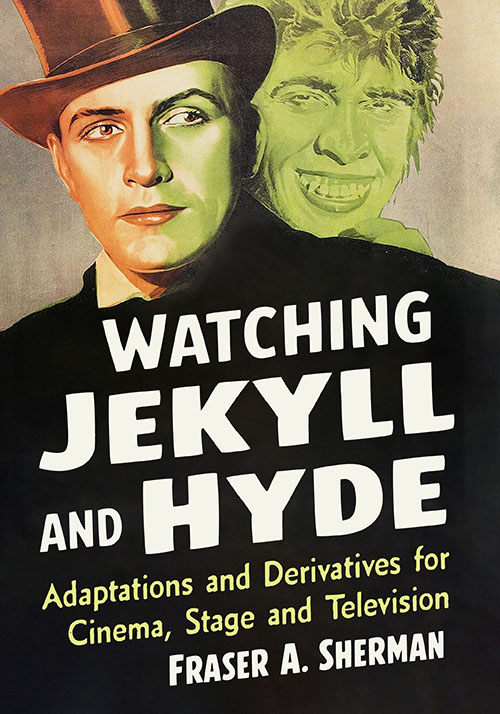
Watching Jekyll and Hyde: Adaptation and Derivatives for Cinema, Stage and Television by Fraser A. Sherman popped up on McFarland’s website while I was browsing through it and it really caught my attention. Next to Stoker’s Dracula, there has been more film adaptations of Robert Louis Stevenson’s 1886 novel The Strange Case of Dr. Jekyll and Mr. Hyde than any other horror novel, including Frankenstein. I’m talking straight adaptations here, not just using the character, and we’re not saying “faithful” adaptations either. That would be a much shorter list. None the less, from the stage to cinemas to television, we have seen well over a hundred versions of this scientist who creates a potion to help mankind free himself, but in turn releases a beast instead.
While at the time of this writing, McFarland’s site doesn’t give much information about the book, other than priced at $39.95, but it looks like it will cover all of those different versions, from the stage, film, and television. When you start to realize just how many versions of there are of this just in film alone, let alone for the stage and TV, it really does boggle the mind. And let’s also remember that the 1931 version did bring home an Oscar for Best Actor for Fredric March, which I think he totally deserved! So, I’m excited to dive into this once it comes out to see what else I can discover about this fascinating story that has been adapted so many times.
Another book from McFarland that I’m really looking forward to is from a couple of friends of mine, Mark Clark and Bryan Senn. I’ve got more than a few of their books in my library and always happy to add more! Their latest is Forties Frights: A New History and Filmography of Horror Cinema, 1940-1949. While it does have a price tag of $75, when covering an entire decade of movies in the detail that Clark and Senn have done in their past books, I think it will be more than worth the investment.
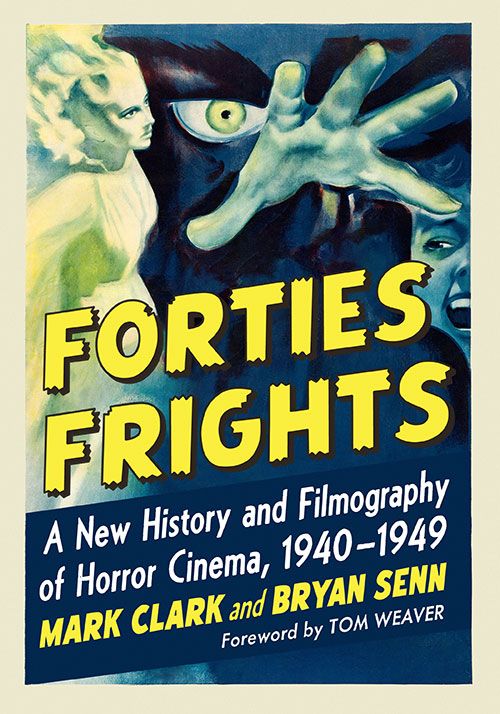
But what I’m excited most about it is that the 1940s is usually not a decade that gets a lot of attention from horror fans. There are the films from producer Val Lewton, but it is also the ending of Universal’s classic monster films started at the beginning of the 1930s. By the time we get to the ’40s, they seemed more and more made for kids. But as I’m sure we’ll learn more about it in this volume, there are still plenty of great titles that came out in those 10 years and are well worth your time. And again, the more we bring attention to these titles, it helps keep them alive and remembered.
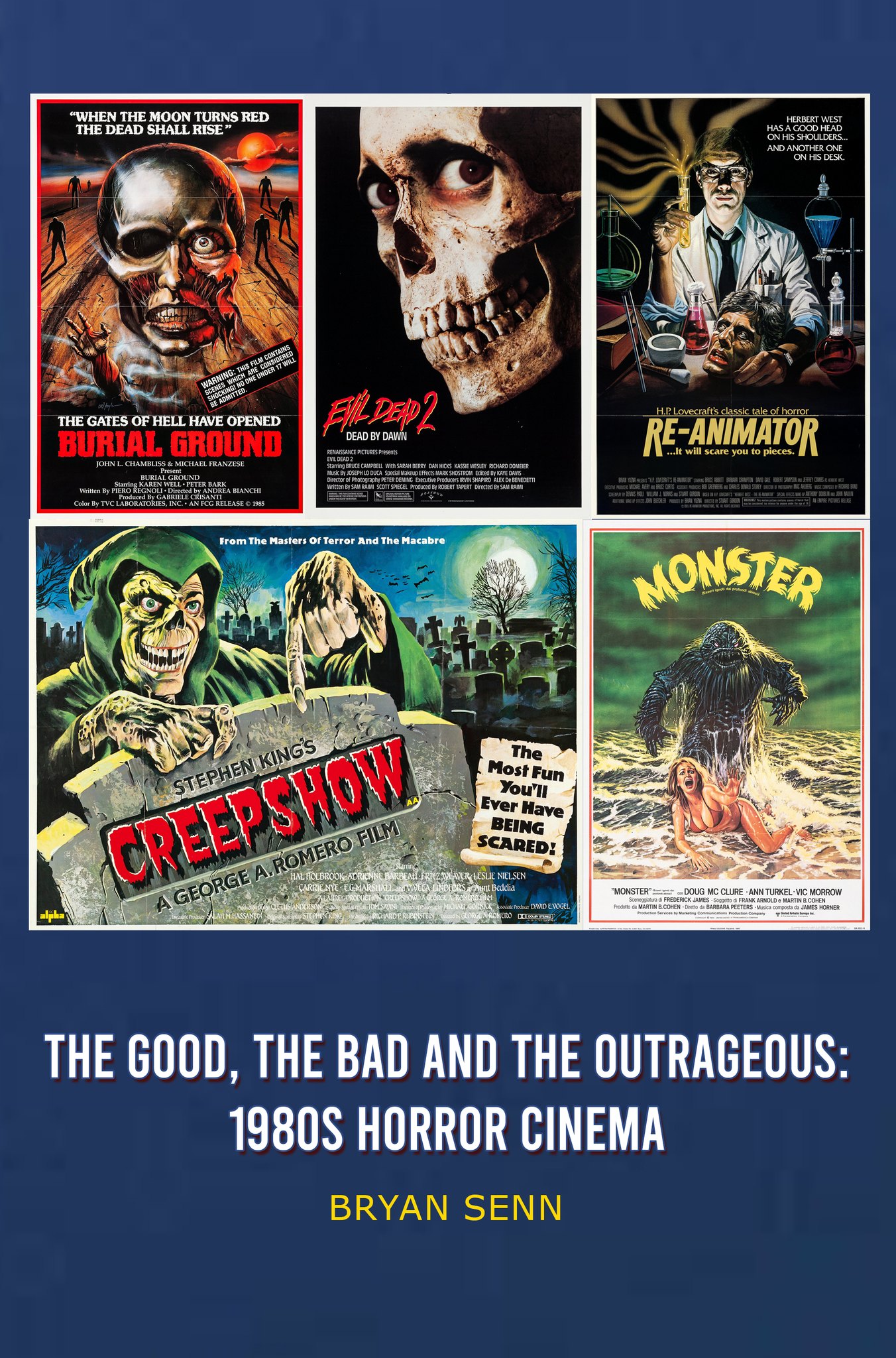
And while on the subject of Bryan Senn, he also has a new book on some of the films that came out in the decade of the ’80s, called The Good, The Bad, adn the Outrageous: 1980s Horror Cinema. It is a bit pricy as well, but when you have a book that is over 800 pages, that is a little easier to swallow! Hardcover edition is $76 while the softcover edition is $65. According to the description, the book “takes a kaleidoscopic excursion through some of the best, worst (yet still enormously enjoyable) and craziest cinematic artifacts of the time. Through critical examination, historical context, production history, and the filmmakers’ own stories and insights, it takes a deep-dive into 88 prime specimens that not only serve as guiding cinematic lights/influencers, but as thought-provoking, emotion-inspiring and, above all, entertaining exemplars of 1980s horror cinema.”
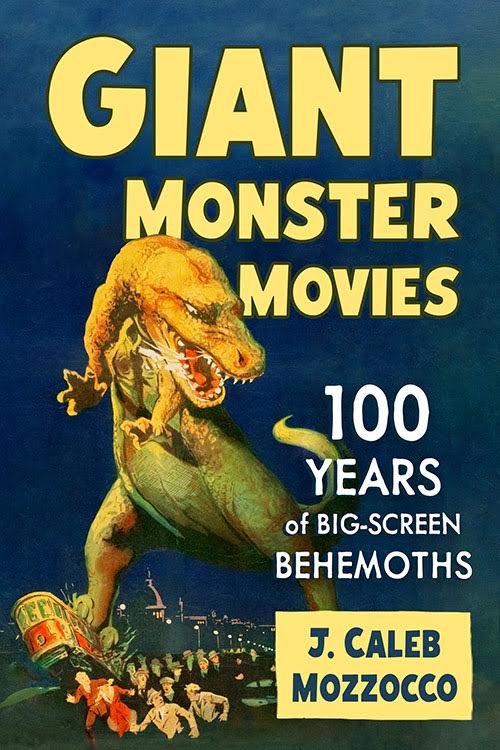
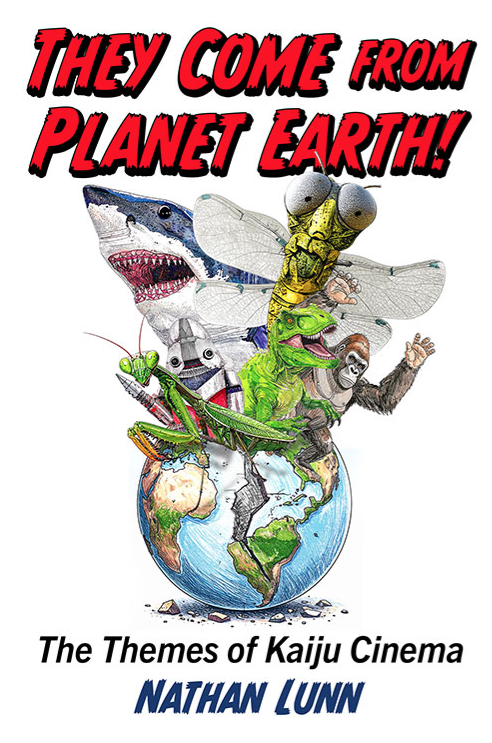
If you’re a fan of giant monsters, then here’s a couple that might be of some interests. Unfortunately, there isn’t any real info about the books, as far as what they exactly cover or are about. Each one is $39.95 and coming from McFarland. First, we have Giant Monster Movies: 100 Years of Big Screen Behemoths by J. Caleb Mozzocco, and secondly, we have They Come from Planet Earth: The Themes of Kaiju Cinema by Nathan Lunn. Maybe when we get closer to publication, we’ll have some more info.
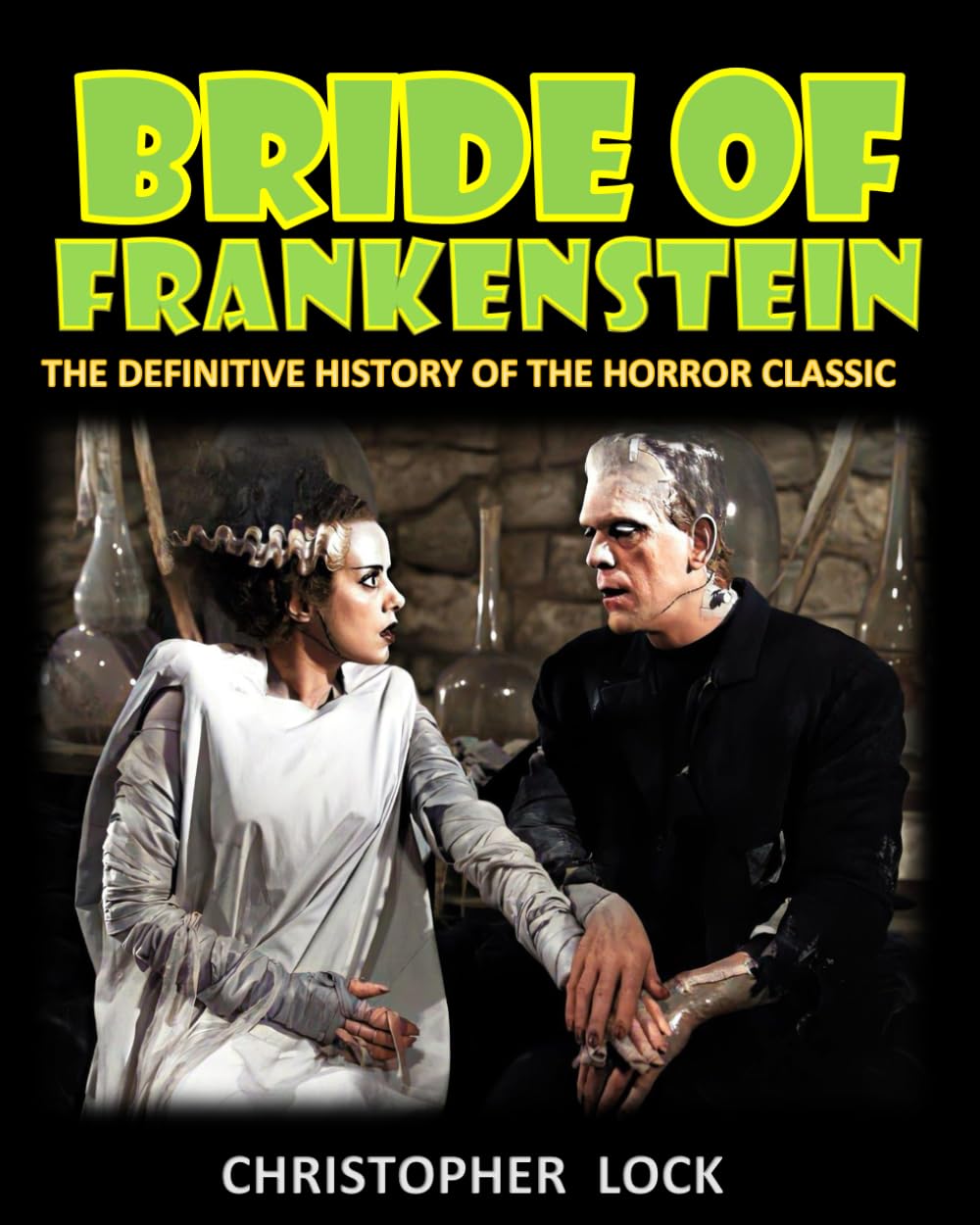
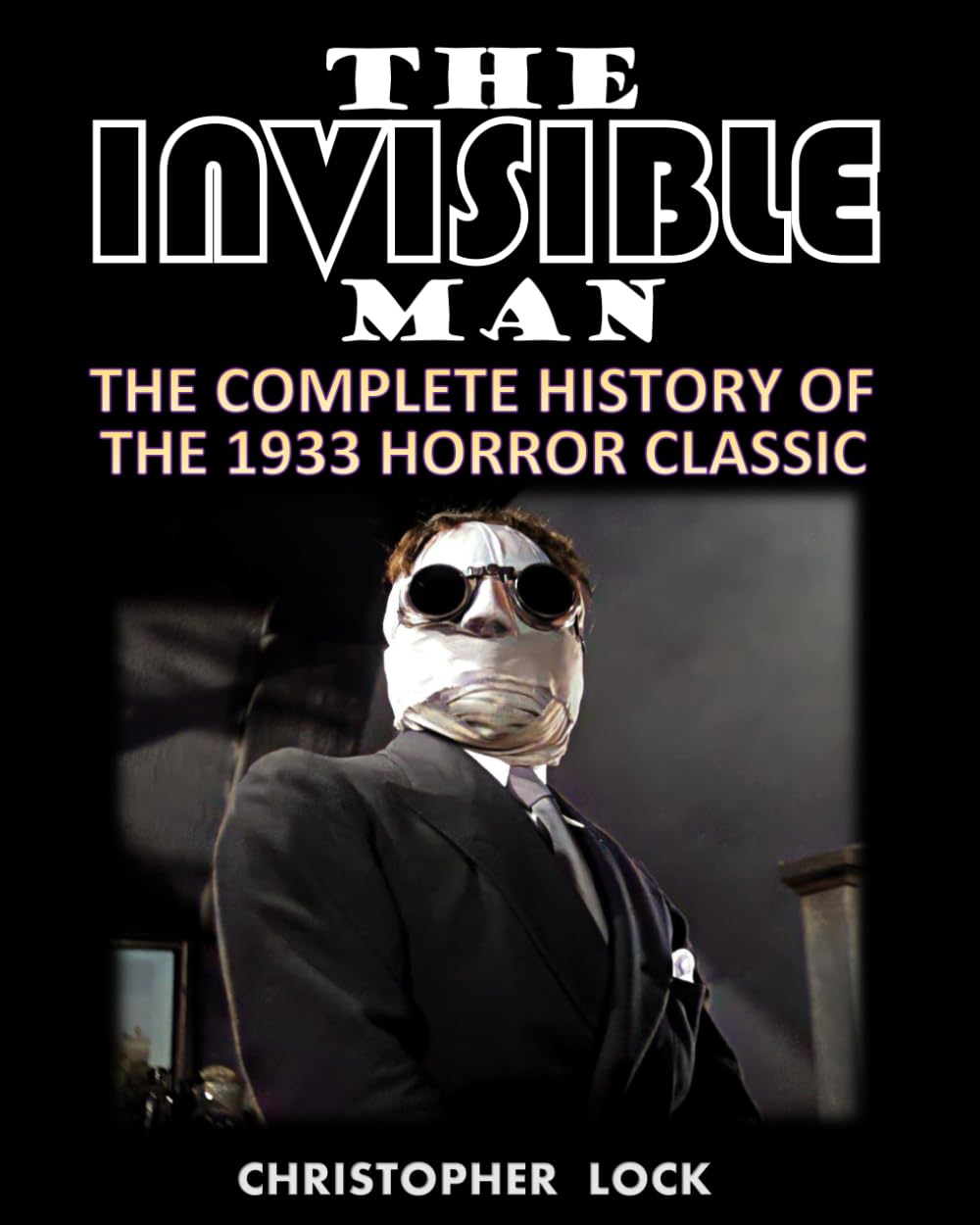
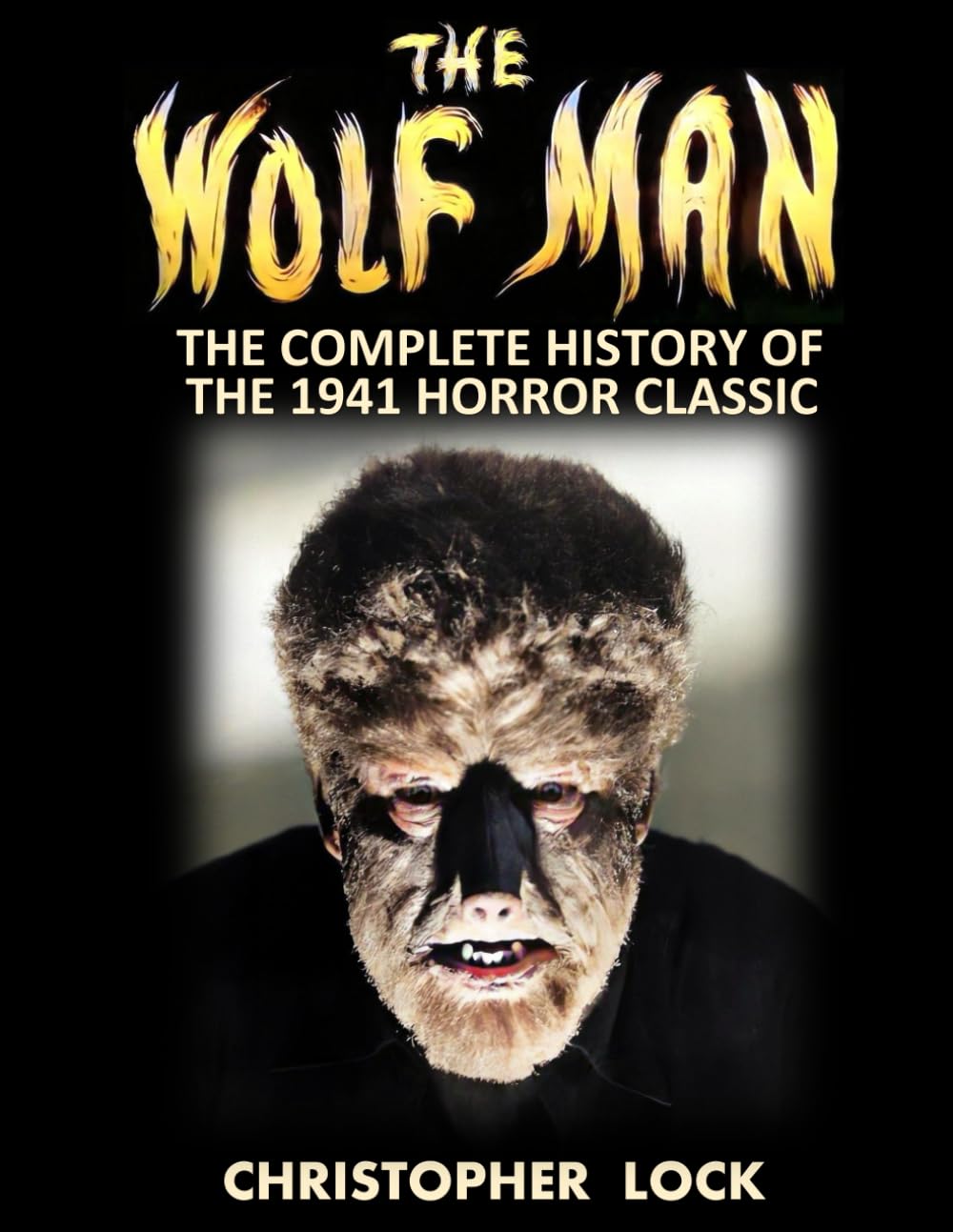
Last year, I picked up Bride of Frankenstein: The Definitive History of the Horror Classic by Christopher Lock and thoroughly enjoyed it. Tons of great information in there. It was one of the books I used for my research on a retrospective of this classic film. Very reasonably priced and well over 400 pages, I found it well worth your money and your time. And then Lock puts out The Invisible Man: The Complete History of the 1933 Horror Classic, which I got for Christmas last year. I still haven’t had a chance to dig into it, but then now he’s got another one out, this time on The Wolf Man (1941), which I just picked up. Just like the Bride one, a great price and a huge book, and I’m sure will be packed to the gills with interesting information.
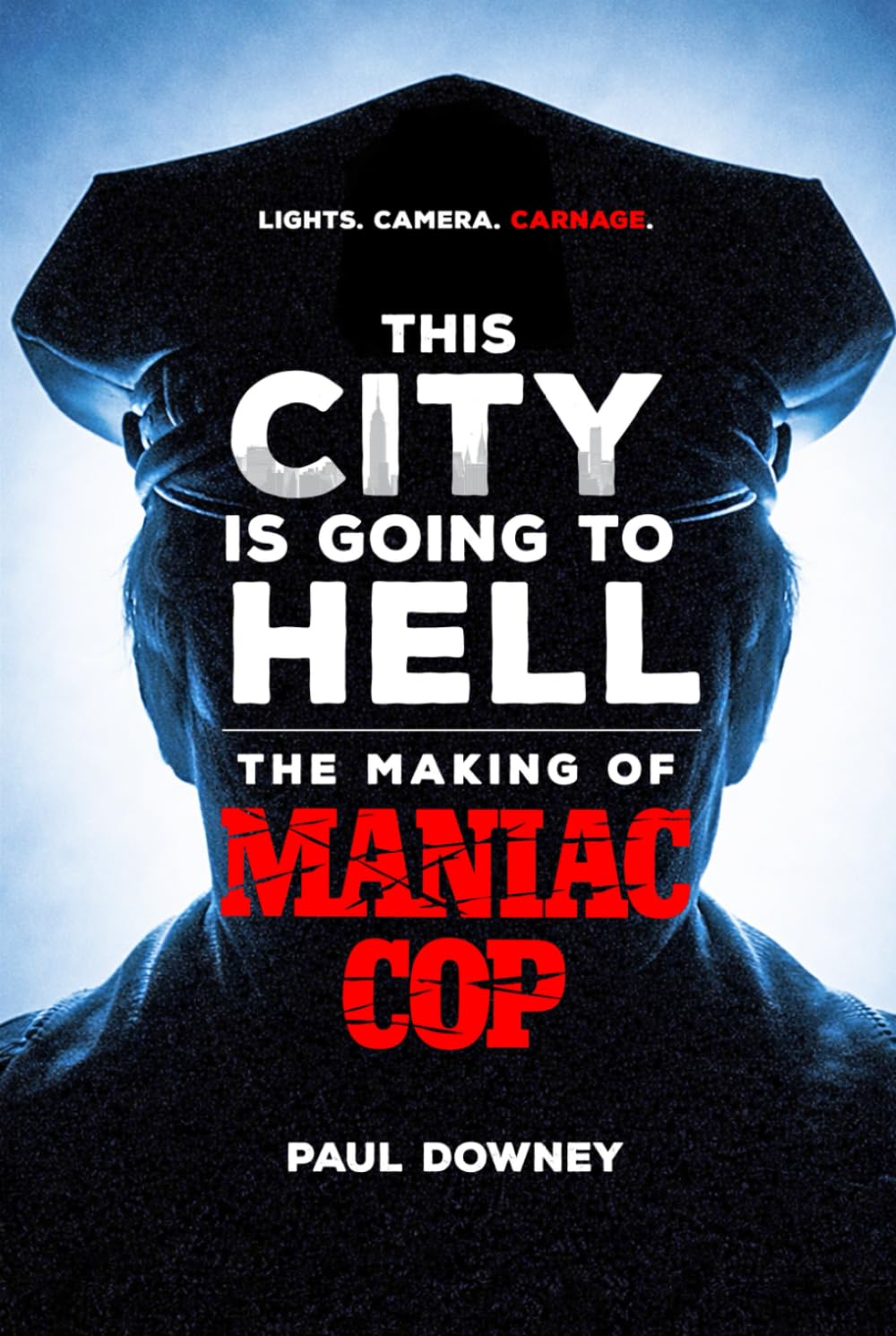
And lastly, Harker Press has a new book coming out on the William Lustig’s cult favorite called This City is Going to Hell: The Making of Maniac Cop, by Paul Downey. This book will feature never-before-scene photos, interviews with the cast and crew, including director William Lustig. We not only get to learn about the making of the trilogy but also the why there is a lasting following for them. I have reviewed several books from Harker Press, and they always put out well-written, well-researched, and very informative editions. I have always learned way more going in than I thought I would.
You can find these available through the publishers that I mentioned, or on Amazon. But I would recommend you going directly through the publisher, so they are making more money off the book than giving a good chunk of it to Amazon. It helps keep them afloat!
And if you know about any upcoming book on the horror genre, please let me know. Same if you are an author and/or publisher, or work for a PR department, please send me the info and I’d love to help get the word out. Afterall, that is how we all can learn even more about the genre we love!
 kitleyskrypt.com
I totally agree with you about the books and my (small) collection is growing rapidly. there are several books here that I know I want to add! One of the big problems I experience is that as a newer collector of books, every time I hear someone mention a book that sounds great on an older film, I go to get it and its out of print. So many book titles I missed out on!
That’s why I have to say thank you when you post these articles. It gives me a chance to buy some great titles when they come out as opposed to missing them when I hear about them years later. So…Thanks!
LikeLiked by 1 person
This was Chris Dyer by the way who posted this.
LikeLiked by 1 person
Thanks for the comment, Chris. Yes, it can be tough wanting to wait a bit and then find out they are gone. Really have to pick and choose because I still think there are SO many new ones coming out that I can’t keep up with. But occasionally, you will see them on the second hand market for a bit cheaper.
LikeLike
Words cannot describe how much I appreciate your interest in my books on the Universal Monsters. I’m just an aging Baby Boomer who saw a void in books that were solely dedicated to the most iconic of monster films; BRIDE OF FRANKENSTEIN, THE INVISIBLE MAN, THE WOLF MAN, DRACULA, and even an in-depth personal and professional biography on JACK PIERCE (on Amazon, “JACK PIERCE: Hollywood’s Makeup Master”. Pierce deserves much more recognition than what’s been afforded to him, especially given his impact on the Universal entities. We can only imagine the appearance and cultural impact these monstrosities would have offered without his creative genius. And yet, it humanly amazes me that my book is the only one on Amazon devoted to his genius. Thank you – Guillermo del Toro, for your dedication, interest, and influence on a genre that countless individuals are dedicated to. I am open for discussions, appearances, and general questions. – CHRISTOPHER LOCK
LikeLiked by 1 person