
We had a chance to pick the brain of Phil Hopkins, one of the people behind Film Masters to ask him about what they are doing, and more importantly, why is what they are doing so important?
Kitley’s Krypt: There is a trailer on the Film Masters website, which has a collection of different clips from a variety of films. Near the end of it, three words appear separately on the screen, one after another. They are Preservation, Restoration, and then finally Celebration. As a film fan, it was the last word Celebration that really got me, because it means that it is more than just re-releasing an updated version of a film print, but doing it because it needs to be remembered, enjoyed, and yes, celebrated. Was that the initial goal for Film Masters, to help keep these films alive for future generations?

Phil Hopkins: Absolutely! For the past 20 years I’ve been involved with retrieving thousands of 35mm and 16mm films, from very rare to considered to be lost. I’ve re-located films from labs that had closed, storage facilities, basements, and other strange locations storing film.
Sadly, more often than not these films were not stored properly by the owners and so much of our cinematic history is lost due to neglect.
When I decided to reenter the industry, it was mainly to make it my mission to make sure all film that I’m involved with is relocated to proper institutions that can manage and preserve these important cinematic artifacts.
Kitley’s Krypt: There are some out there that would scoff at some of the titles you’re releasing, such as The Giant Gila Monster, The Killer Shrews, and Beast from Haunted Cave. I personally am a huge fan of these titles and am thrilled Film Masters is taking the time and effort to do these.
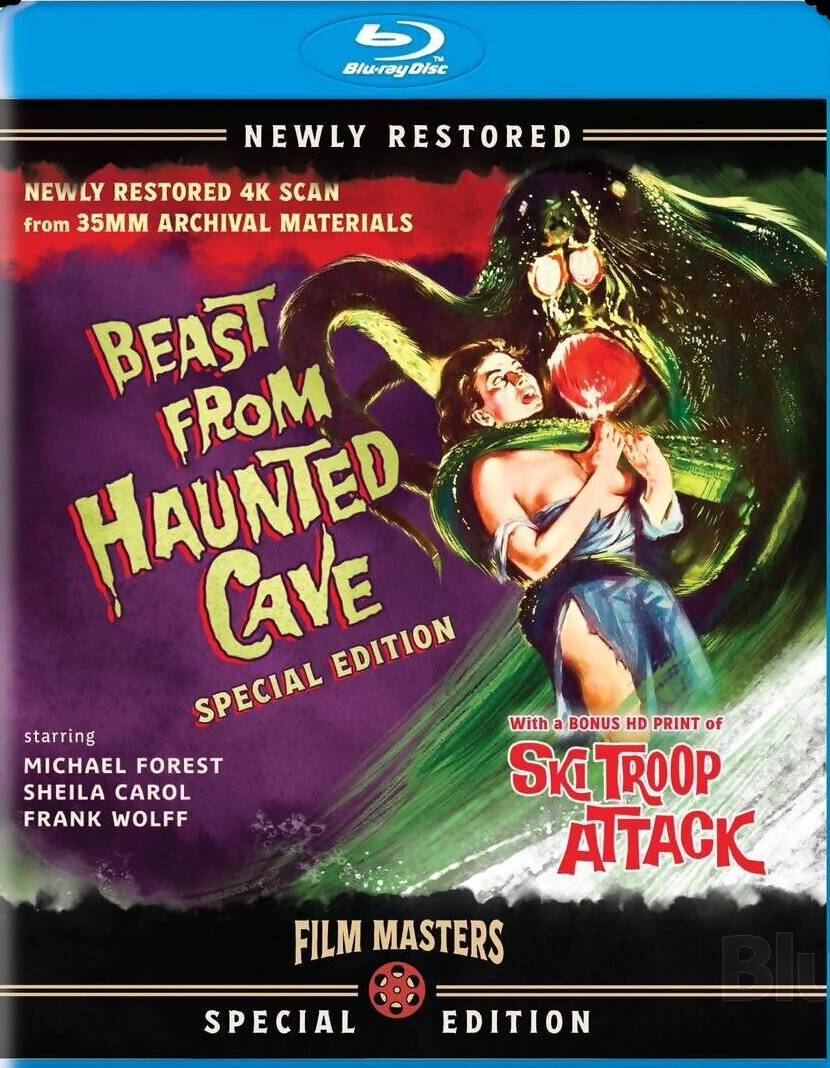

Phil Hopkins: I’m so glad you’re a fan of these titles! Thankful many others are too. These titles were so often released in poor resolution formats from poor masters due to the fact that they are in the public domain, we were very fortune to work with 35mm material that we were able to scan to 4K and restore to high resolution and offer a superior viewing experience. We know that these titles will be appreciated by a devoted audience of cult and genre film, and we wanted to release them with special features to show how much we care and appreciate these titles.
Kitley’s Krypt: Why do you think these films need to be preserved, restored, and celebrated, treating them the same as some would an Oscar caliber title, while most critics would consider them schlock or just bad movies?
Phil Hopkins: While these are not Oscar caliber titles, they are important because they were films made outside of the Hollywood studio system. They were made for a low budget and were profitable, they’ve survived in popular culture for 60 years and still have a loyal following. All film in my opinion is important to be preserved.
Kitley’s Krypt: On average, how much time does it take for a film to go through the restoration process?
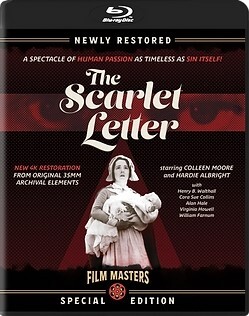
Phil Hopkins: In some cases, it can take nearly a year. In the case of the Scarlet Letter (1934) that we are releasing in November in conjunction with UCLA Film & Television Archive. The original OCN, (Original Camera Negative) was acquired by my friend and colleague, film historian and producer Sam Sherman many years ago, and with the assistance of Janice Allen, for the renowned film preservation lab Cinema Arts, they worked with UCLA to make a new 35mm preservation print. We made a 4K scan from the new preservation print and did additional sound and picture restoration. That will be screened at Cinecon this year in El Segundo, CA and also shown on TCM.
Kitley’s Krypt: Thank you for what you’re doing, and I look forward to seeing what else you have coming down the pipeline!
Phil Hopkins: Thank you!
To get the latest info about Film Masters and what they have in the works, head over to their website HERE.
 kitleyskrypt.com
I like the cut of this guy’s jib.
LikeLike