
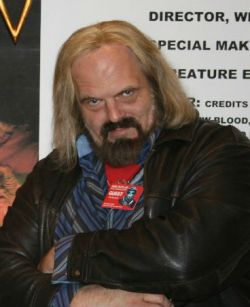
 At my very first horror convention, back in April of 1988, John Carl Buechler was there. He had brought two of his creations with him, Jason from Friday the 13th Part 7 (1988)and the beast from Cellar Dweller (1986), which you could see from across the room because it was so tall. I still have the black and white still of that creature on it that Buechler graciously signed for me. He was so friendly and approachable. He had worked on so many movies that I devoured in the ’80s, from Ghoulies (1984), Re-Animator (1985), Crawlspace (1986), From Beyond (1986), Dolls (1987), Bride of Re-Animator (1989), to even the more recent Hatchet (2006). I still think the look he created for Jason in the entry, that he even directed, is still the best looking ever created on film.
As everyone probably knows by now, we have lost this incredible talent. About a month ago, his wife had started a GoFundMe page because he was diagnosed with stage 4 prostate cancer, to help pay for the increasing medical expenses. It was then announced on that page yesterday, that he had passed away early Monday morning. We are so saddened here at the Krypt of this news because of the hours and hours of entertainment he has given us fans over the years. The one positive thing is that because of all those great films he worked on, the memorable monsters he helped create, him and his work will always be remembered, and never forgotten.
 There has to be something about a person that only appeared in a few genre pictures in her career that spanned almost 70 years, but it was her first genre pic, made 65 years ago, is what she is remembered the most from. Sure, it could be because it was the last great classic monster film from Universal, but Julie Adams appearance in it had something to do with it as well. There was more than the Gill-Man watching Adams in The Creature from the Black Lagoon (1954), that is for sure.
 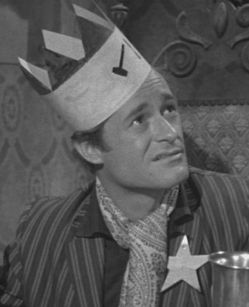 Wow. This one stings. Whether you grew up watching the early black and white classics from Roger Corman or the Joe Dante flicks from the ’80s and ’90s, you knew who Dick Miller was. Even if he was in the smallest of parts, when he appeared on screen, it was usually followed by “Hey! It’s Dick Miller!”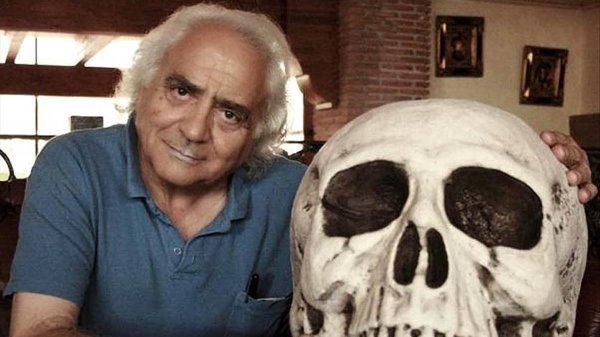
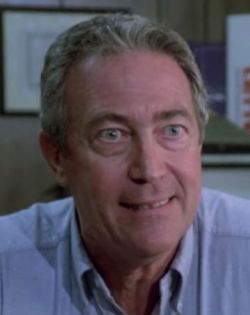


 If you are a fan of Italian cinema, whether it be westerns, giallo, or horror, then you’ve most likely heard the work of Stelvio Cipriani, who passed away on Monday, October 1st, at the age of 81. With a career that spanned over 50 years, composing scores for over 200 films, he has help make those movies even better with his music.
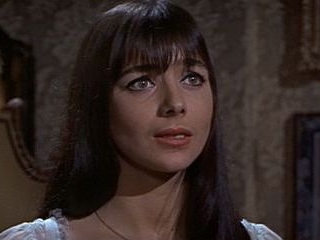 One of my favorites from Hammer Studios is one of their 1966 “Cornish Horrors”, Plague of the Zombies, made back to back with The Reptile. From the incredible look of the zombies, to the bad-ass villain played by John Carson, to the straight-laced hero played by André Morell, it always delivers the goods, each and every time I watch it. Another one of the reasons is the rest of the stellar cast, including Jacqueline Peace, who plays the doomed Alice. Pearce’s performance gives the viewer such a feeling of dread because we all know what is going to happen to her and we can’t stop it. And then in The Reptile, she gives another performance to draw the audience in with her pathos.


