
While there weren’t a ton of correct answers sent in for our last photo, we did get a few, which thrills me to no end! This is definitely a Turkey Day film and is a lot of fun as well. The film was re-titled a couple of times as Blood Waters of Dr. Z and Attack of the Swamp Creatures, but the original title was simply Z.A.A.T. (1971). Produced on a very low budget in Florida, this little monster movie never made it big, but is still fondly remembered by a some. I mean, how could you forget a movie about a half man/half catfish? Congrats to the following that sent in the correct answer: Hoby Abernathy, Aaron Christensen, John-Paul Checkett, Bob Hartman, and William Wilson. Well done!
Now on to this week’s photo. The title of this movie is something that many of you have probably experienced the last week or so doing your holiday shopping. As always, please remember not to post your answers here so that others can have a guess at them. Just send your guess to us in an email to jon@kitleyskrypt.com. Good Luck!

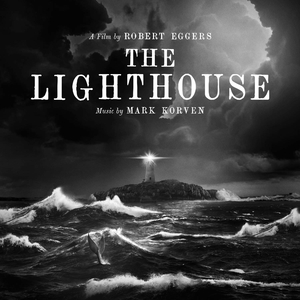 The Lighthouse
 The Wind (2018)


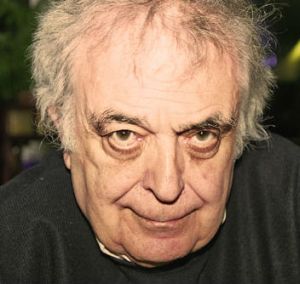 Javier Aguirre is not a familiar names with most fans here in the US, mainly because he worked in Spain. But there are a couple of films that he directed that star Paul Naschy that you might be familiar with, Count Dracula’s Great Love and Hunchback of the Morgue, both in 1973. Aguirre has passed away at the age of 84 after a long illness. He was married to actress Esperanza Roy, who Spanish horror fans will remember from the second entry in the Blind Dead films, El ataque de los muertos sin ojos aka Return of the Evil Dead and Una vela para el diablo aka It Happened at Nightmare Inn, also both from 1973.
